 Weekly news · Trial issue ·
7–20 November
A precious-metal watch is worth 29 steel ones, and another’s seconds hand runs backwards
So says October’s Swiss watch export data, which has now grown for the fifth month in a row. Where the watches go, what they are made of and what they cost – in charts you can switch and compare yourself. The Geneva Grand Prix winners, “The Doctor” in Zurich, a seconds hand that runs backwards, and a few more things.
- Exports: October – the fifth month of growth in a row
- GPHG 2026: the “Aiguille d'Or” and all the winners
- Patek Philippe 1563 “The Doctor” – an exhibition in Zurich
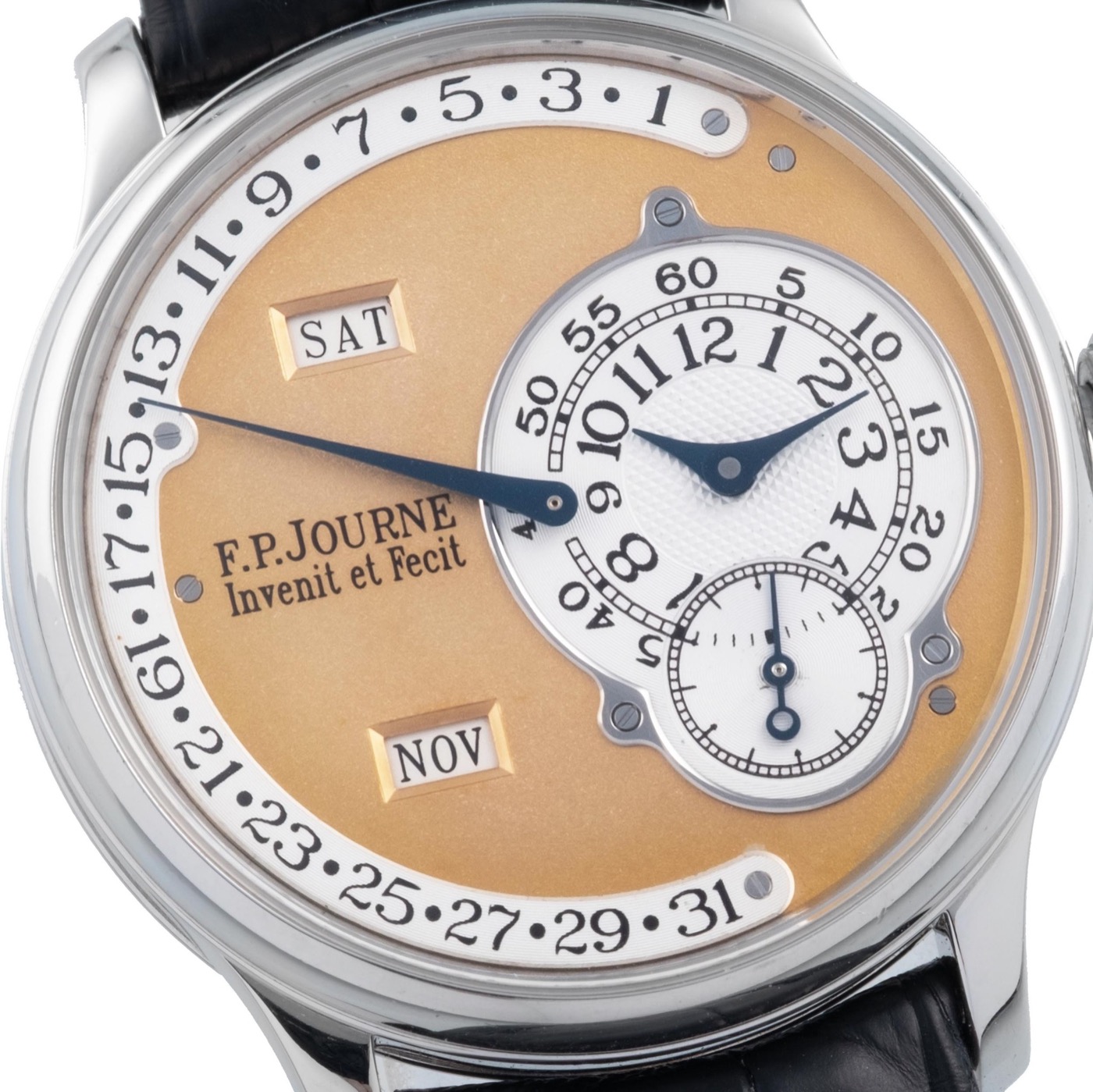
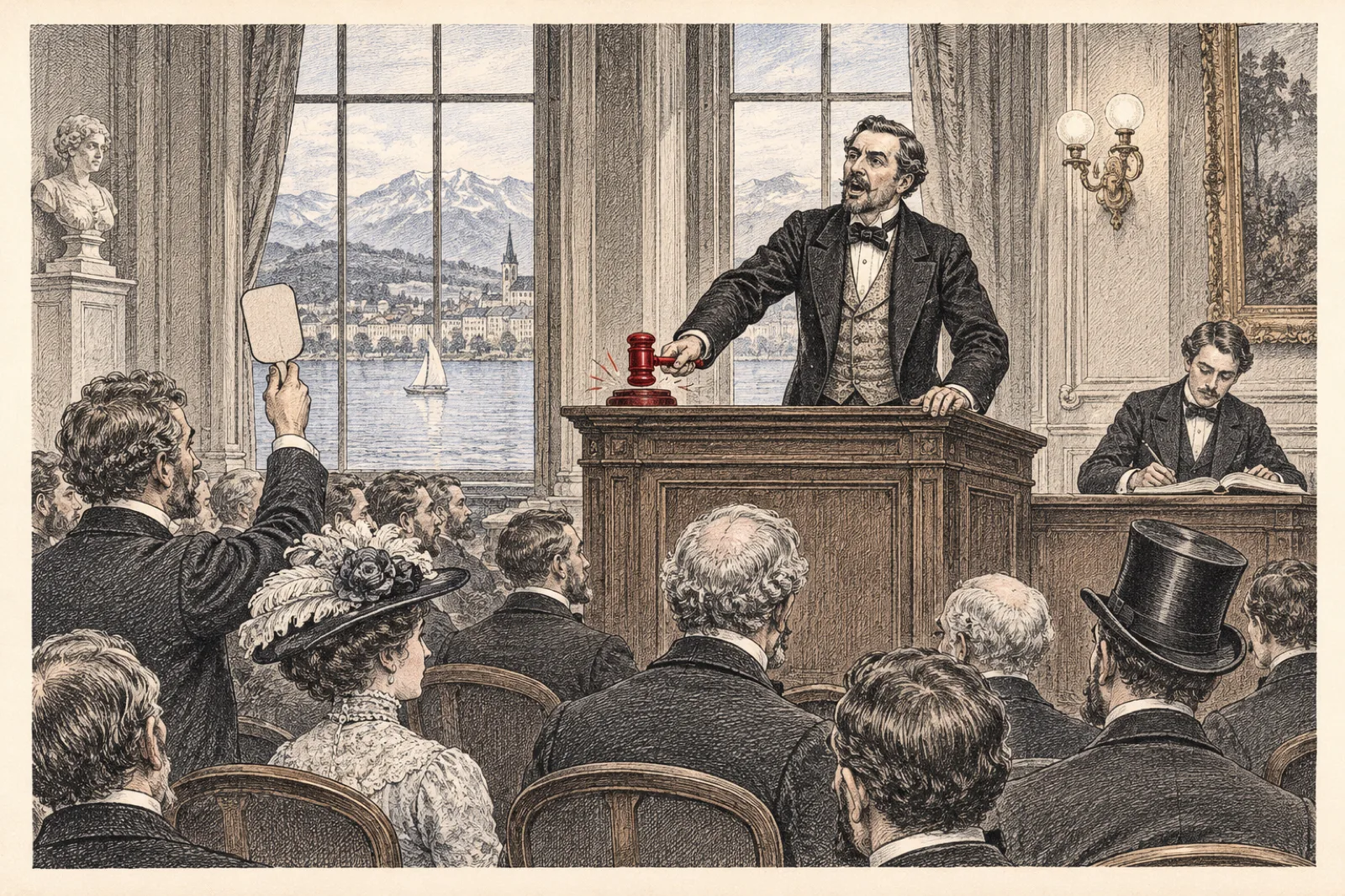
- Bam! 781,200 francs for an early F.P. Journe
- New watches: a backward-running second, the last ReSec, a calendar for 800 euros
- In brief: Urban Jürgensen, the GPHG in London, the next FH figures
Exports: the fifth month of growth
In October Switzerland exported watches worth 2,456.4 million francs – 9.1 % more than a year earlier. It is the fifth month of growth in a row; ten months add up to almost 22 billion francs, 3.4 % more than last year. The Federation of the Swiss Watch Industry (FH) itself urges caution: rising gold prices, a strong franc and US tariffs are squeezing makers’ margins, so higher exports do not yet mean the industry is doing well.
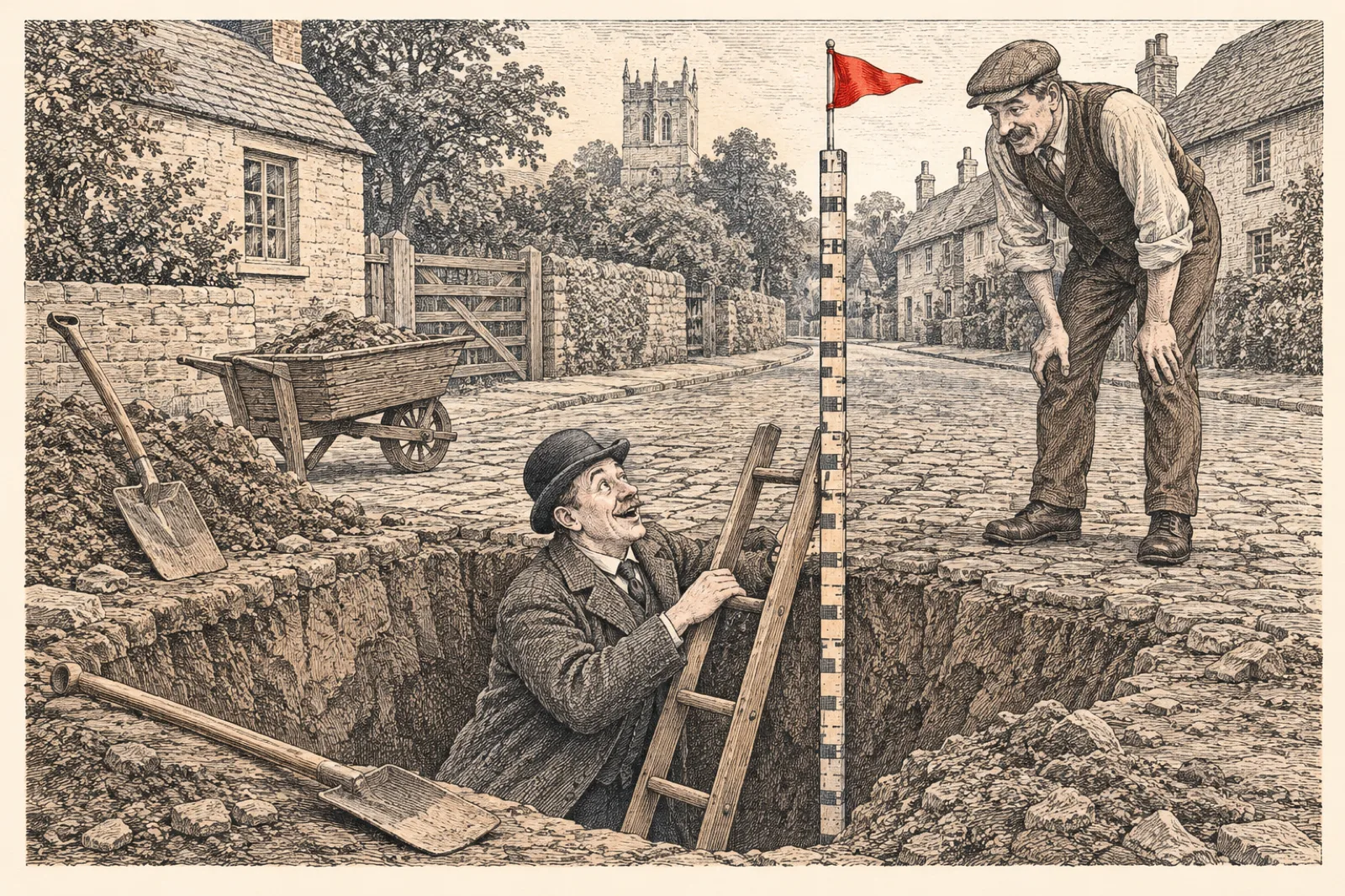
The US grew most (+60.8 %), but that is a base effect: last October, because of tariffs, only CHF 226.1 million went to the US, almost half the 2024 figure (421.7 million). Over ten months exports to the US are 0.1 % lower than last year and 3.6 % higher than in 2024. France’s +101.6 % is not French buying but re-export to other markets; the true European direction is better shown by the EU as a whole: +9.2 %. China fell 12.1 %, Singapore 14.4 %.
Exports by market, October, CHF million
Source: FH, “World distribution of Swiss watch exports, October 2026”. Hover over a year in the legend (on a phone, tap) – that year stands out and the figures show its totals.
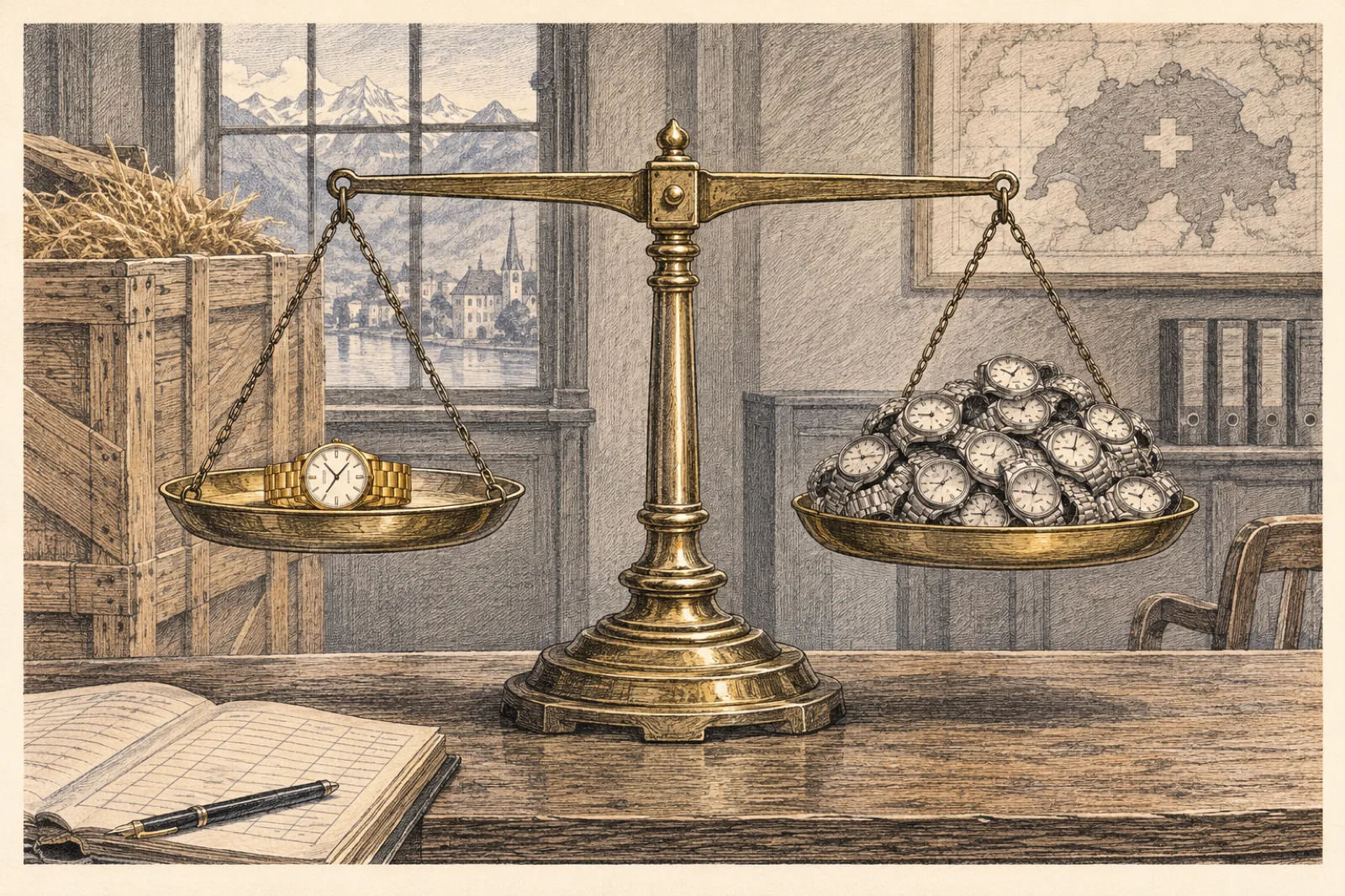
The most interesting part is metals. Steel watches make up 57 % of all wristwatches exported but bring only a third of the value. Precious-metal watches are just 2.2 % of the volume, yet they bring 36.7 % of the value. In value terms October’s growth was pulled by steel (+11.2 %), gold and steel (+28.3 %) and other metals (+31.0 %); precious-metal watches stood still (+0.4 %).
Wristwatches by material, October
| Material | Units, thousand | Change | CHF million | Change |
|---|
Average export price: value ÷ units
Source: FH, “Swiss watchmaking in October 2026”. Average price – our arithmetic from the FH table; it is the export price, not the shop price.
Dividing value by units shows what is what: a precious-metal watch leaves Switzerland at about 25,700 francs on average, a steel one at 880 – 29 times cheaper (25,720 ÷ 880) – and other materials at 260. On the price ladder all segments grew in October, most of all watches at 200–500 francs: +32.1 % in units and +31.2 % in value.
Change by export price, October 2026 vs 2025
Source: FH, “Swiss watchmaking in October 2026”. Next figures – 17 December.
GPHG 2026: the “Golden Hand” goes to Rexhepi’s chronograph
The Grand Prix d’Horlogerie de Genève (GPHG) is an annual competition run since 2001 by a foundation overseen by the canton and city of Geneva. Under the rules a maker from any country may enter up to six watches sold since May of the previous year. They compete in 14 categories, and an international jury – collectors, journalists, watchmakers and retailers – picks about twenty winners. The best of all receives the main prize, the “Aiguille d'Or” – the “Golden Hand”.
The 26th ceremony took place on 7 November. The jury was chaired by Wei Koh, founder of Revolution and The Rake. The rules contain a nice detail: the head of the previous year’s “Aiguille d'Or” winner sits on the jury the following year – this year Breguet’s CEO Gregory Kissling. The trophy is a hand in gilded bronze, designed by Roger Pfund, designer of the Swiss passport, inspired by Michelangelo’s fresco in the Sistine Chapel.
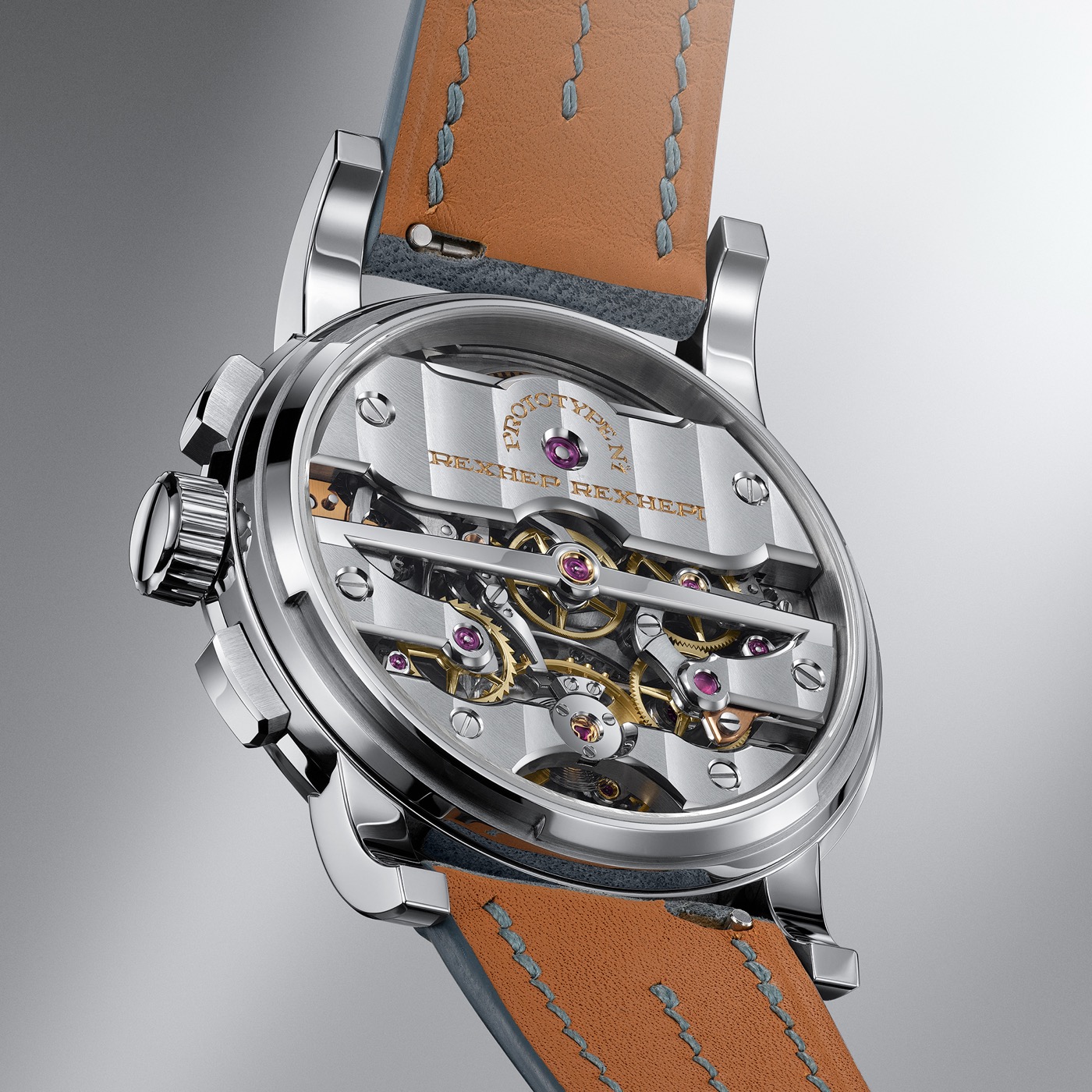
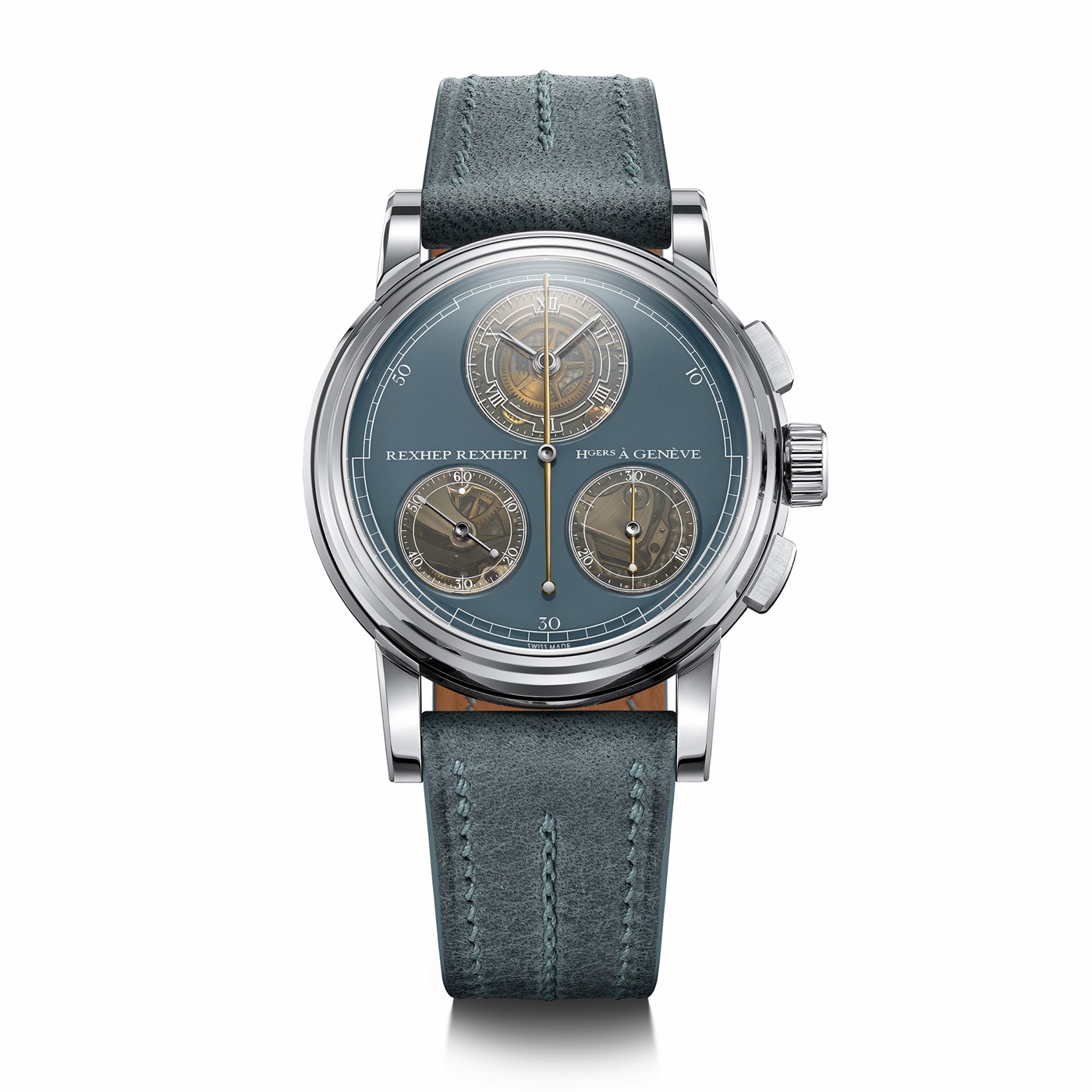
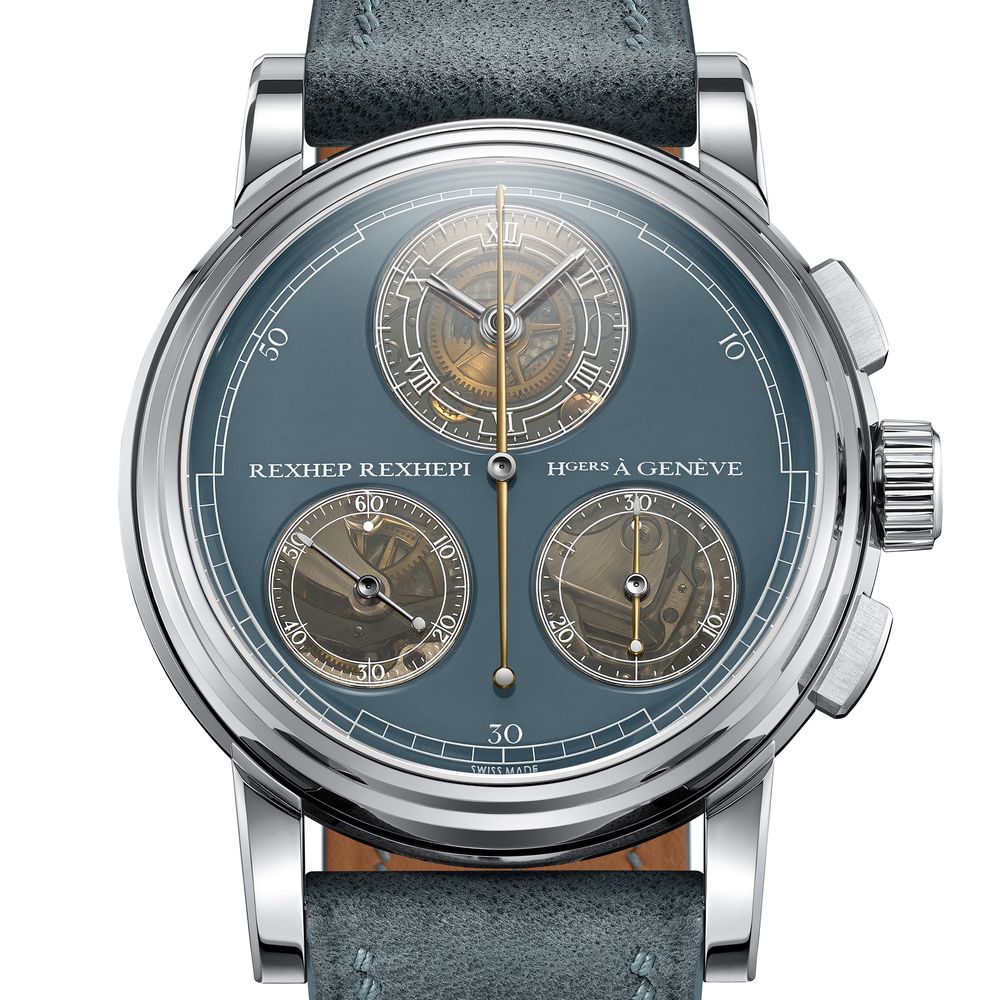
This year the “Golden Hand” went to Rexhep Rexhepi’s Chronograph Flyback. It is a hand-wound chronograph with a flyback function – the timing can be reset and restarted with one push, without stopping – and a jumping minute counter: the minute hand does not creep but jumps at once. Inside are a column wheel and a lateral clutch; the dial is the workshop’s own “grand feu” enamel, in storm blue.
Two prizes each went to Ferdinand Berthoud (tourbillon and chronometry), Audemars Piguet (calendar and “iconic watch”) and Chopard (simple watch and jewellery). The winning watches are on show in London from 19 to 23 November.
All GPHG 2026 winners
First the “Aiguille d'Or”, then the best in each of the 14 categories (from a simple watch showing only the time to a table clock) and the special prizes: audacity, revelation, chronometry, iconic watch, jury prize. Tap a photo – the model’s page opens.
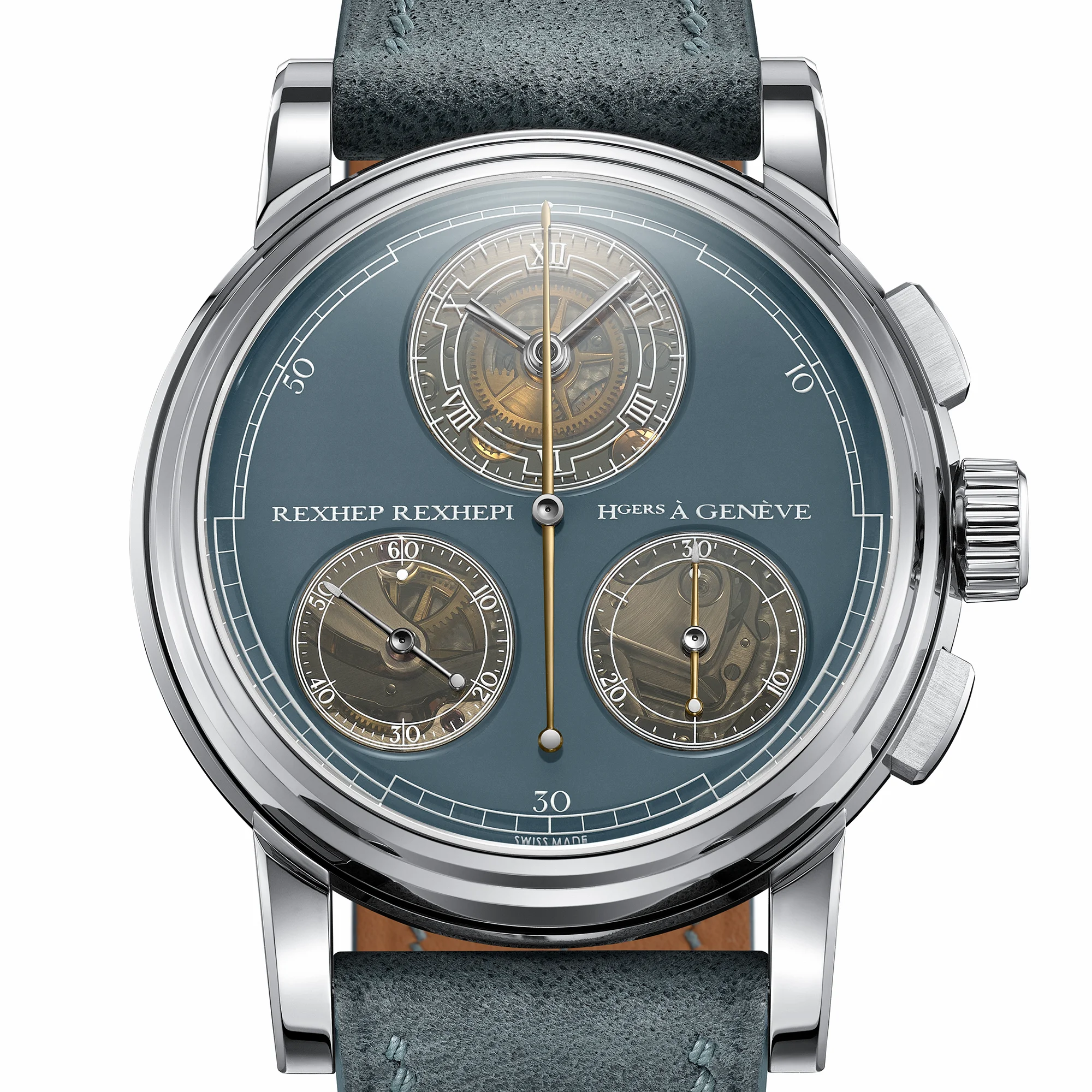 Aiguille d'OrRexhep Rexhepi – Chronograph Flyback
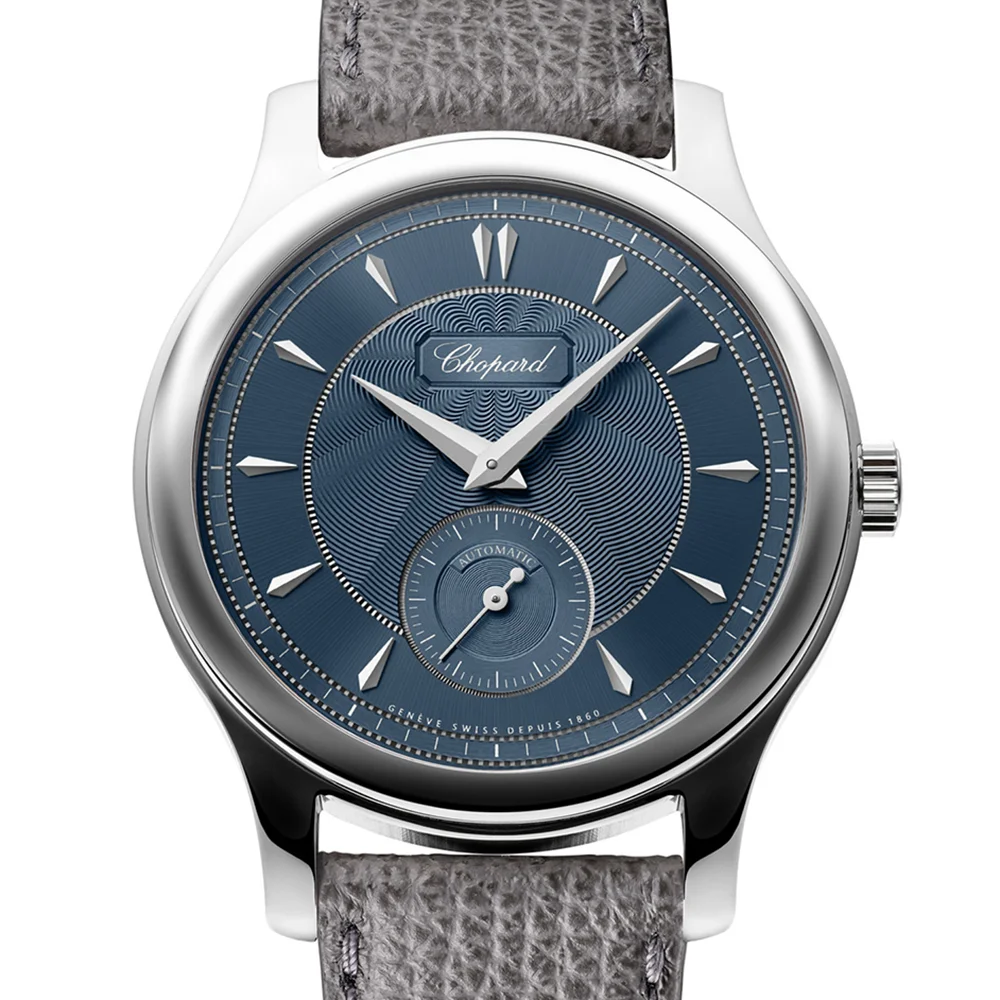 Simple watch (time only)Chopard – L.U.C 1860
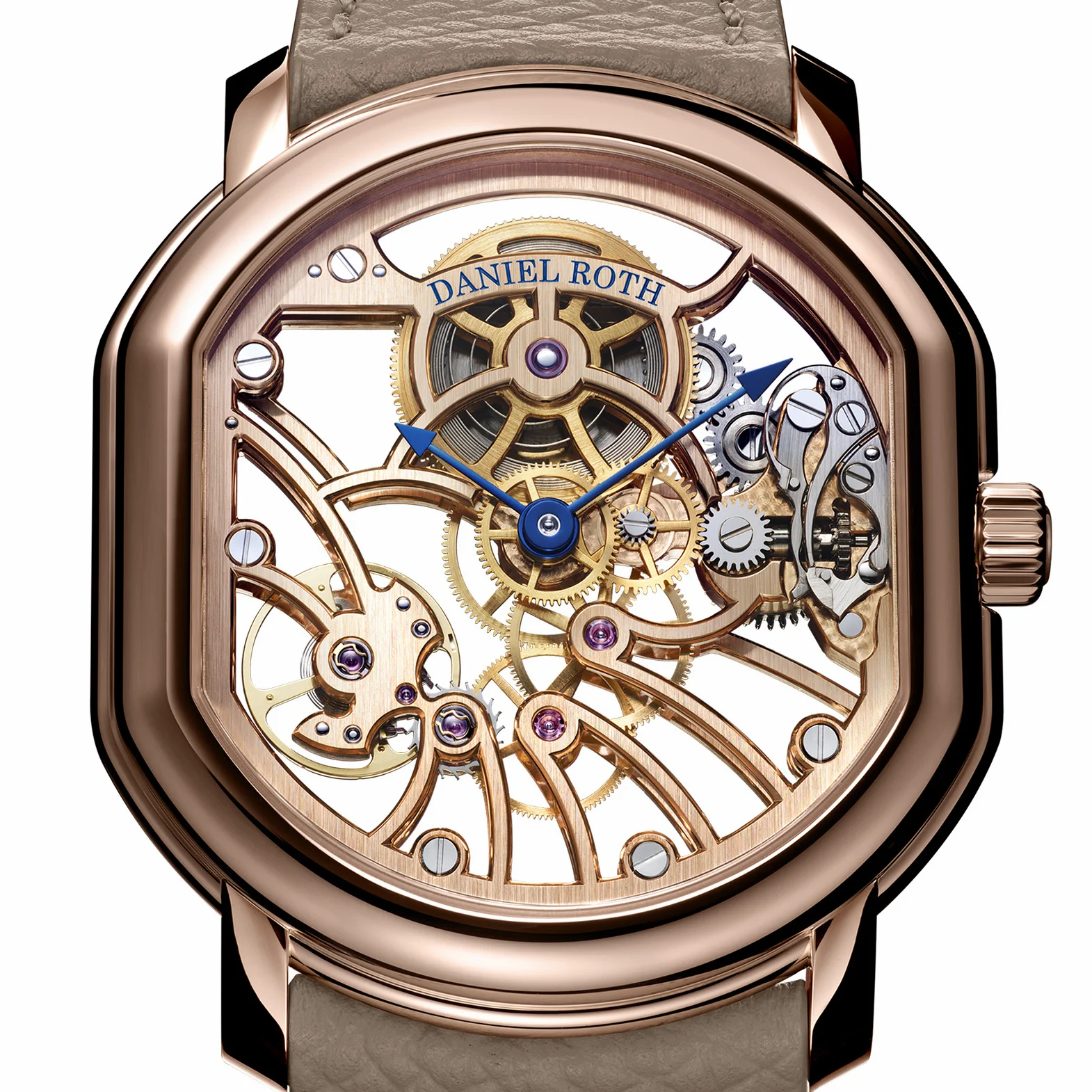 Essential watchDaniel Roth – Extra Plat Rose Gold Skeleton
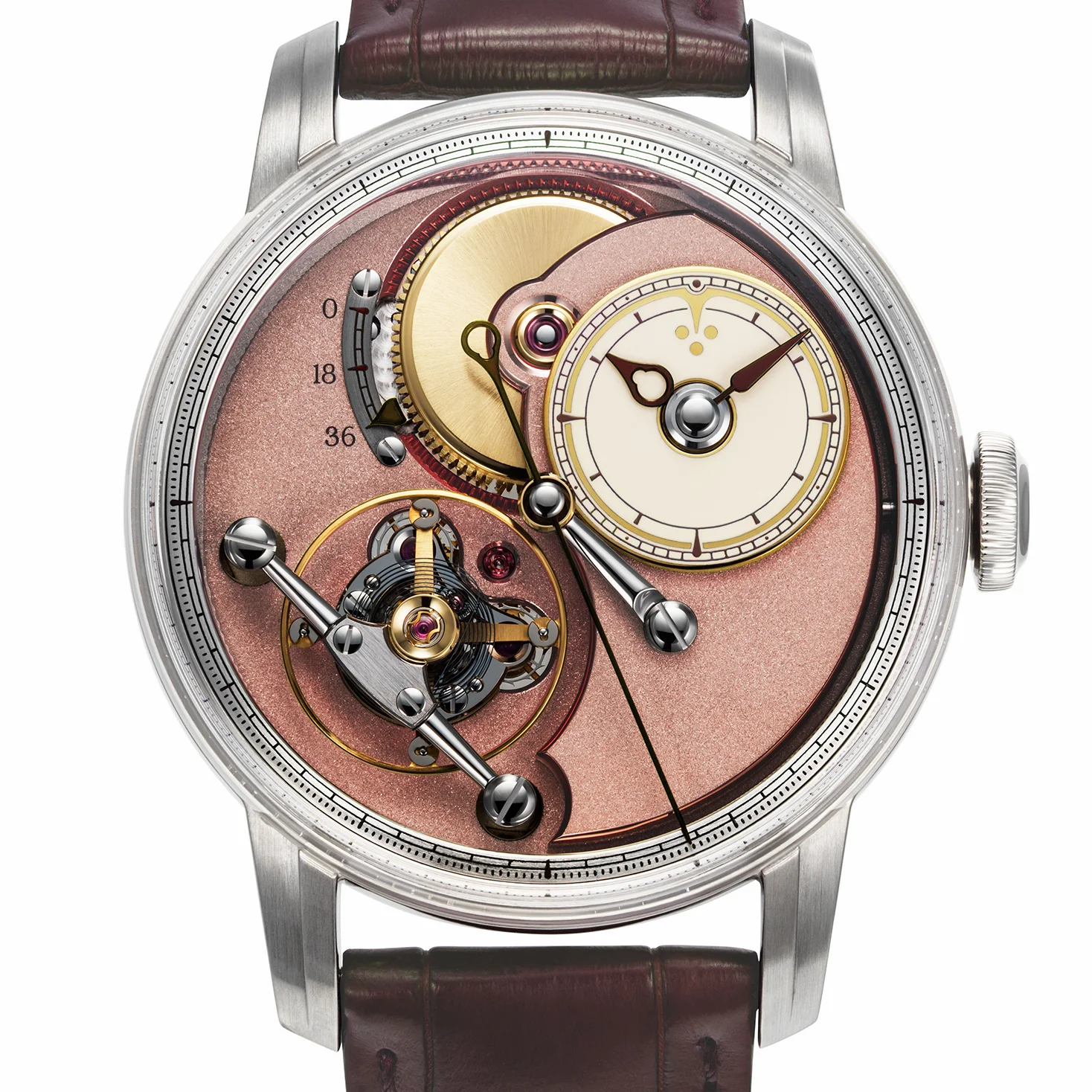 ComplicationCleguer – Inspiration One
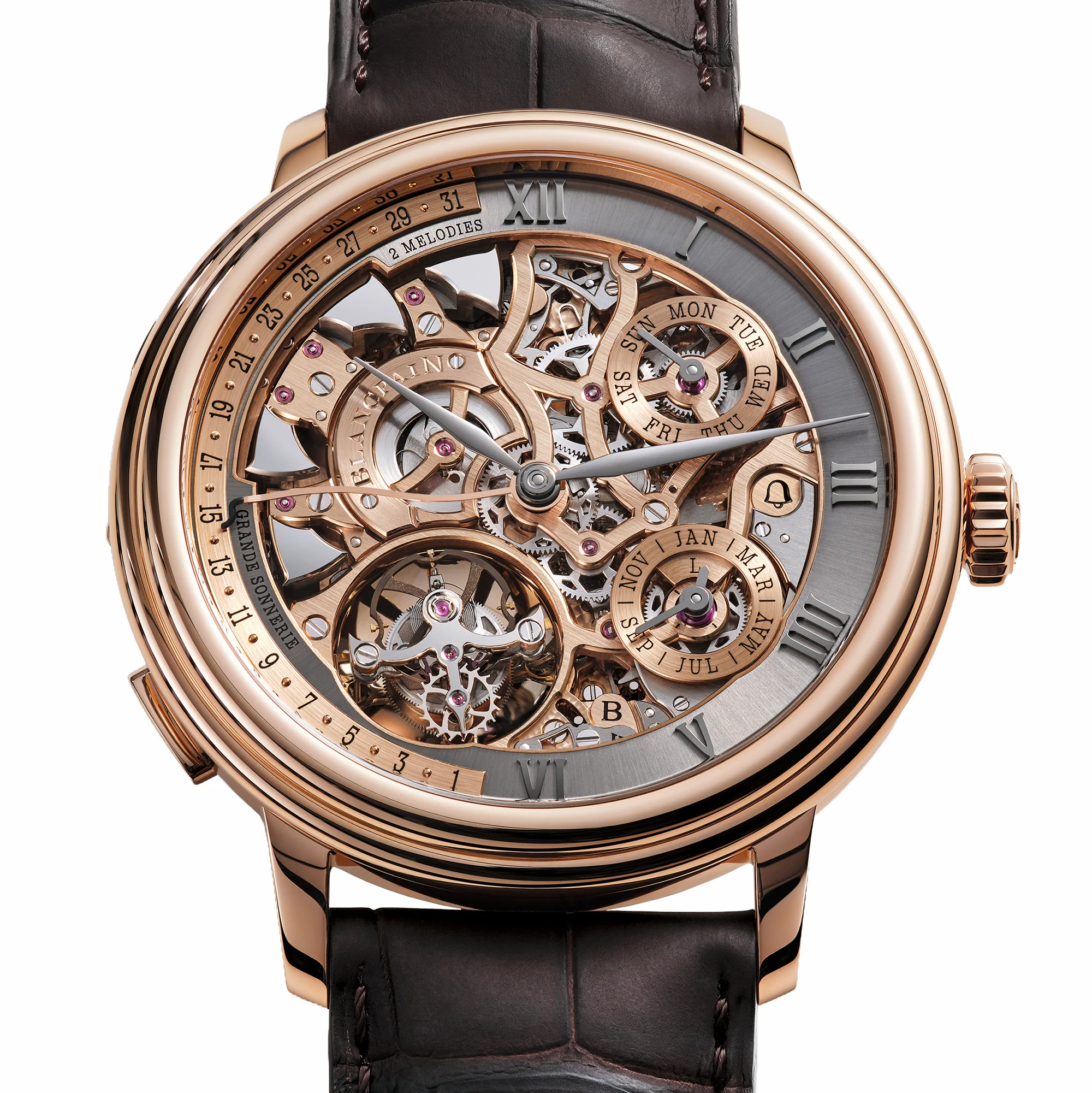 Mechanical exceptionBlancpain – Grande Double Sonnerie
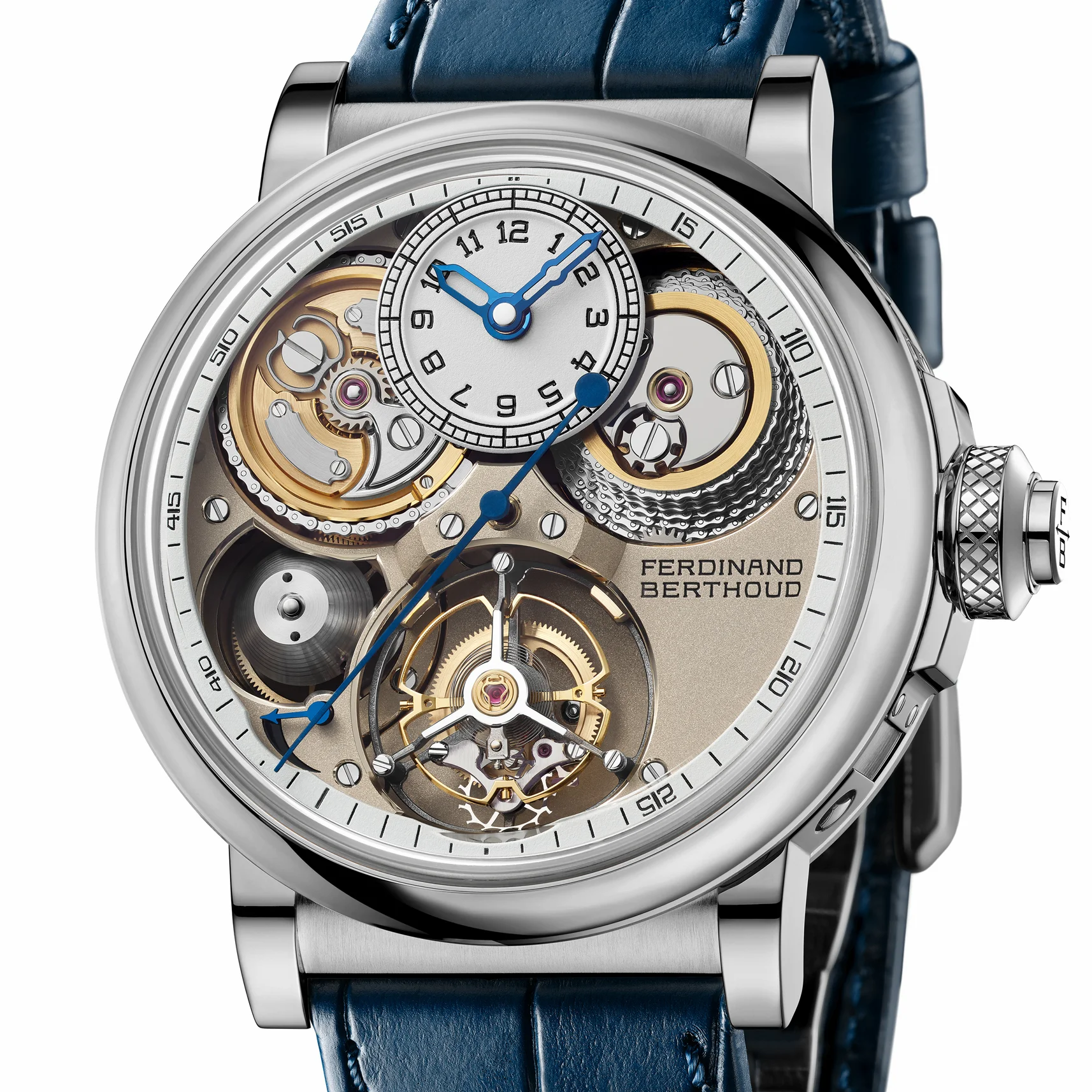 TourbillonFerdinand Berthoud – Chronomètre FB 2TV
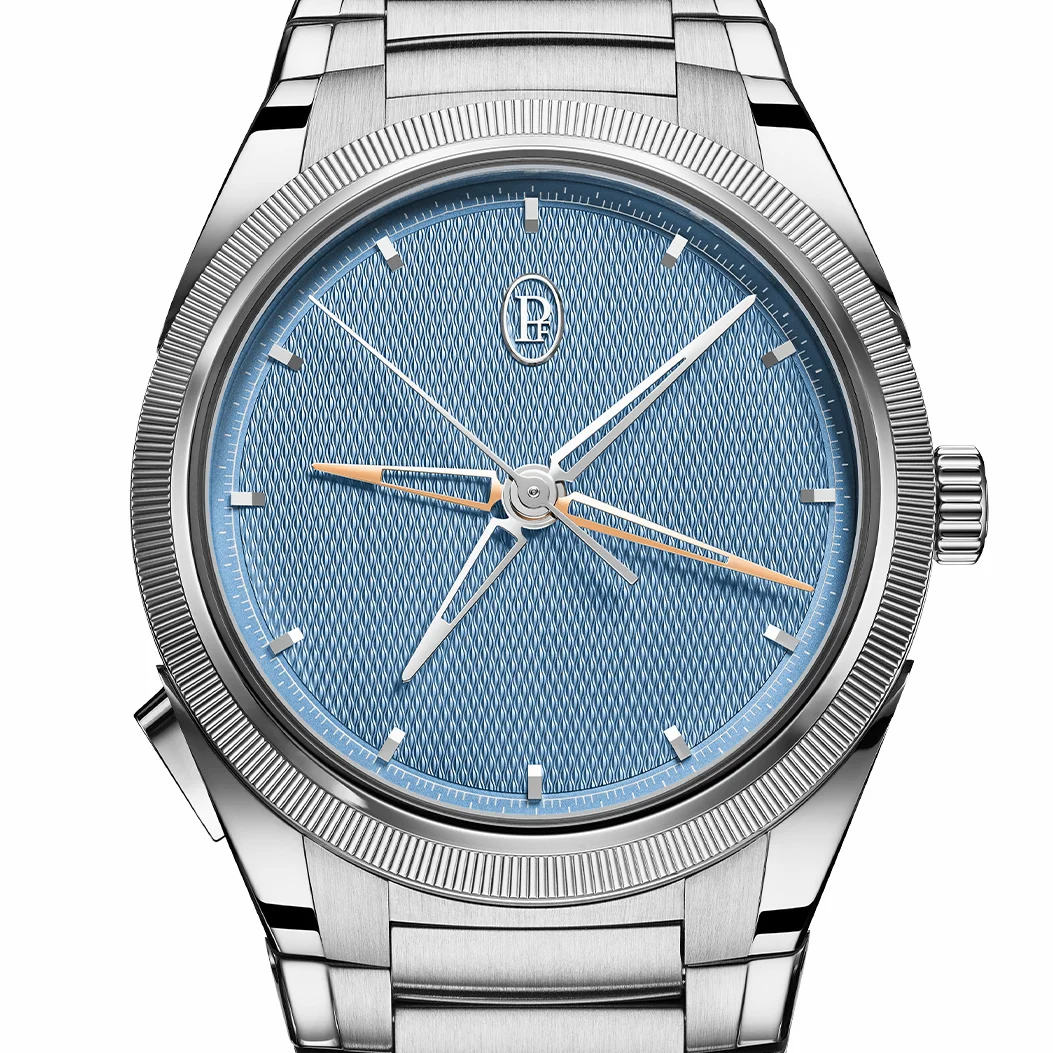 ChronographParmigiani Fleurier – Tonda PF Chronographe Mystérieux
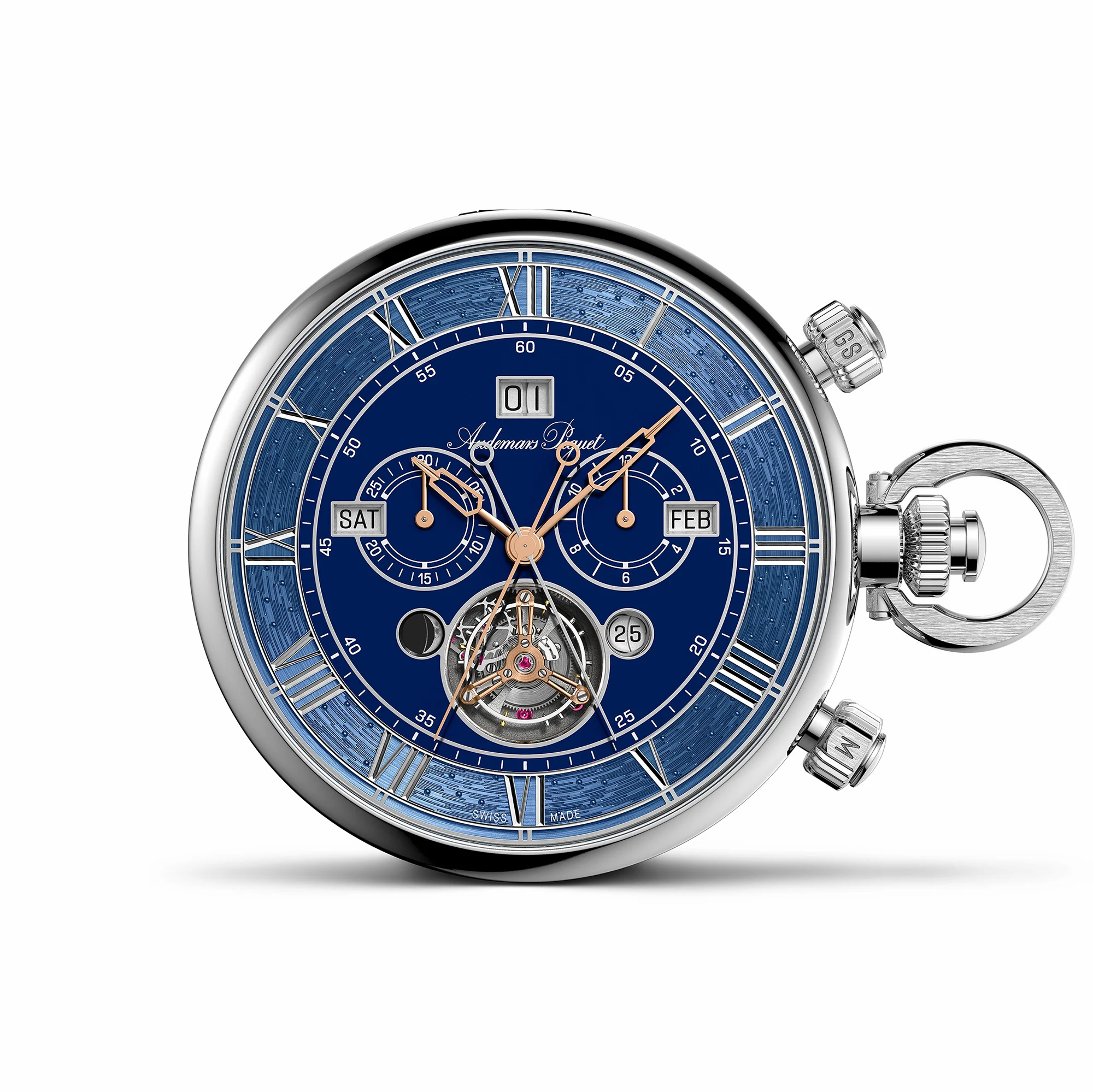 Calendar and astronomyAudemars Piguet – 150 Heritage
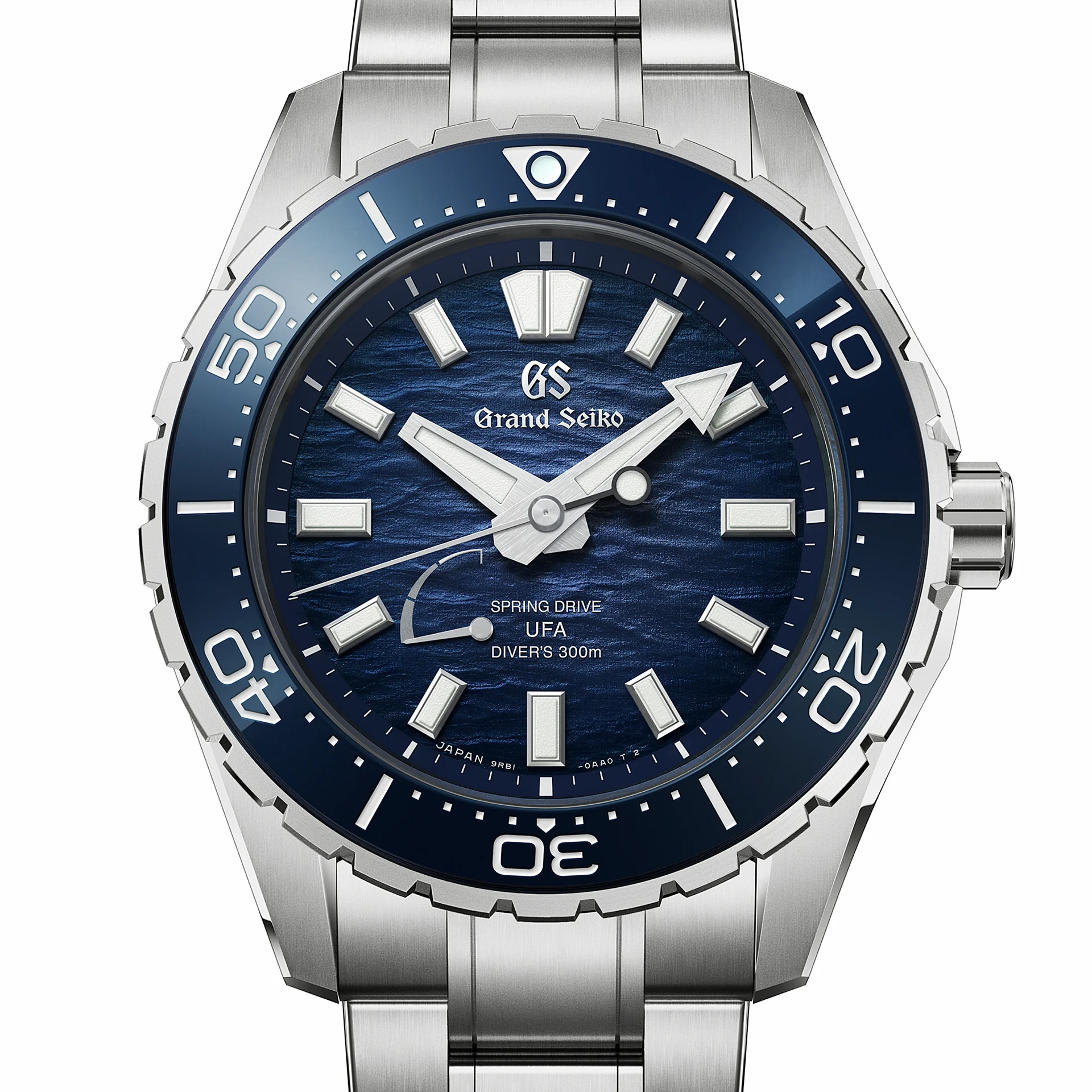 Sports watchGrand Seiko – Spring Drive U.F.A. Ushio 300 Diver
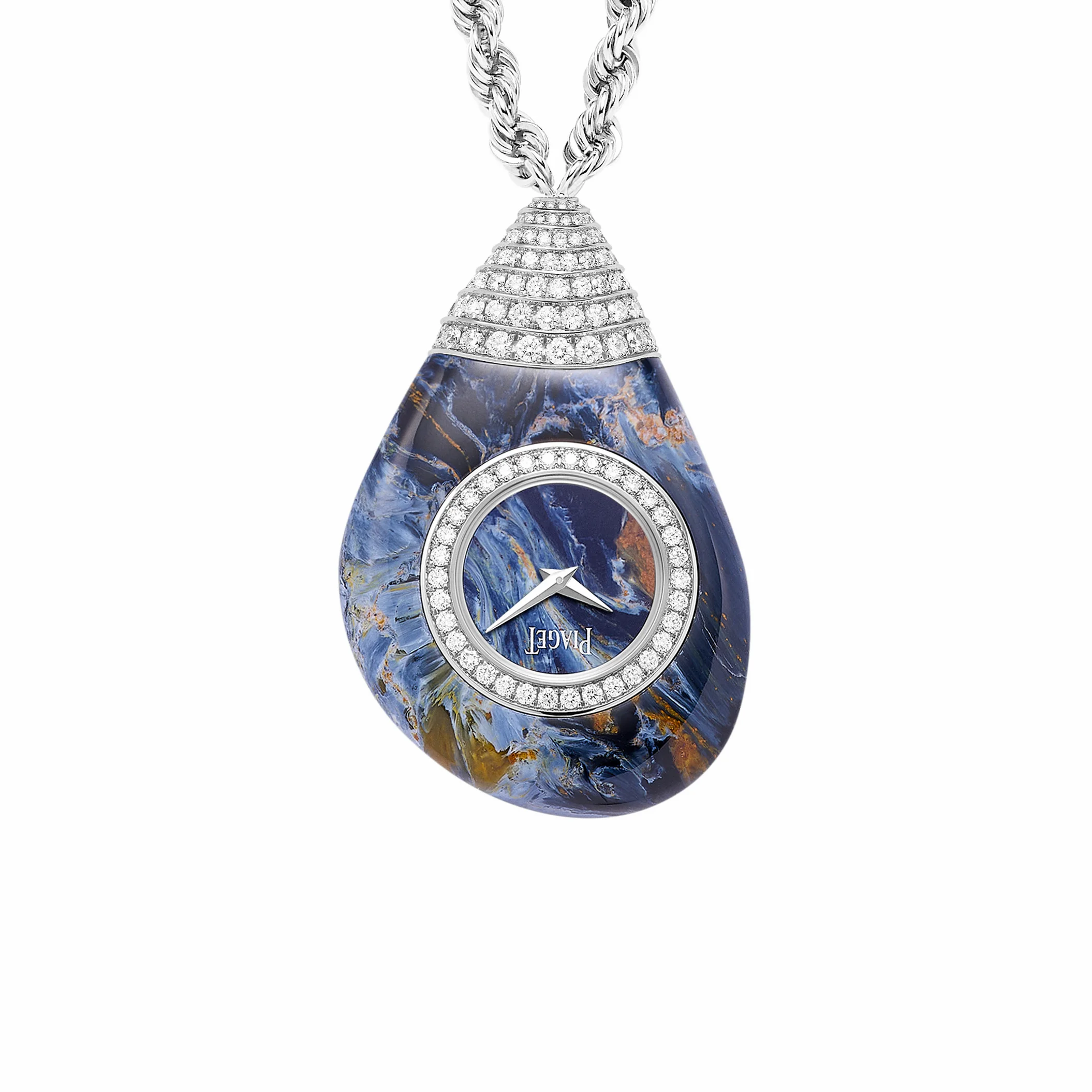 Jewellery setPiaget – Swinging Pebble
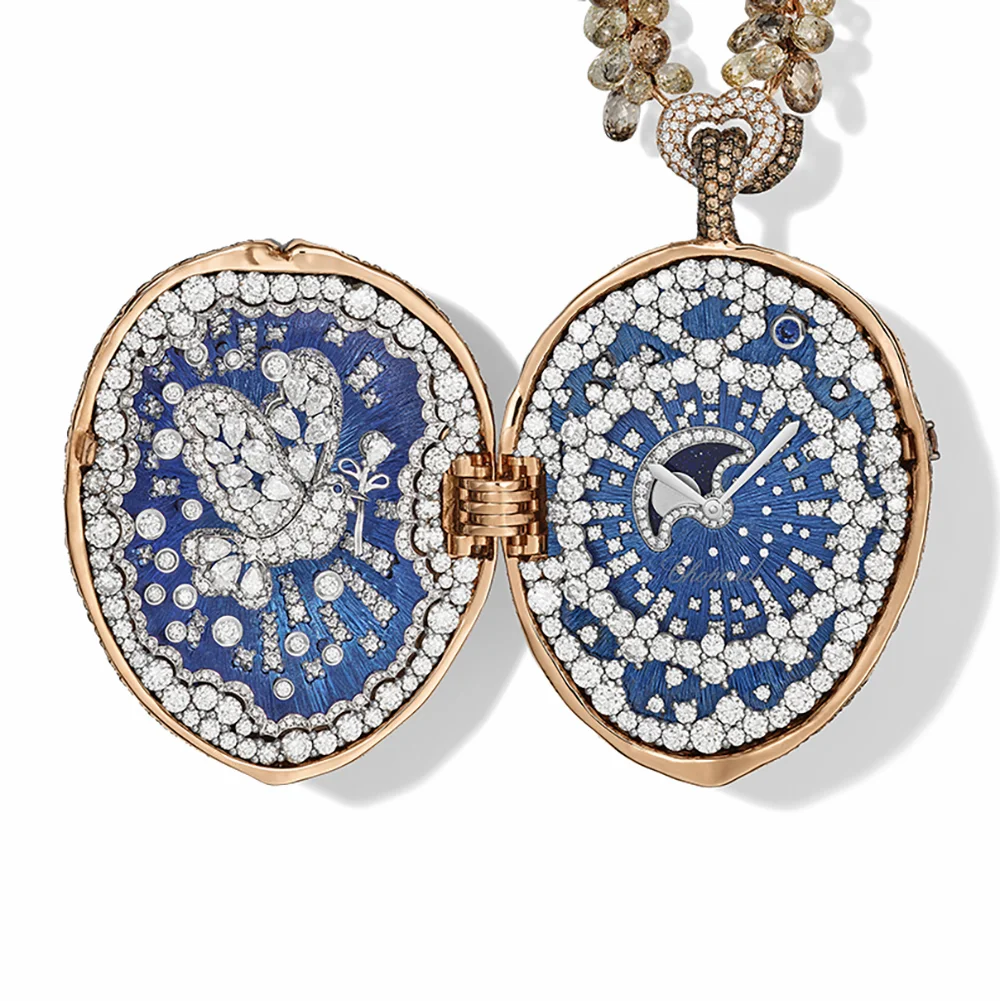 Jewellery watchChopard – Mystery Nut
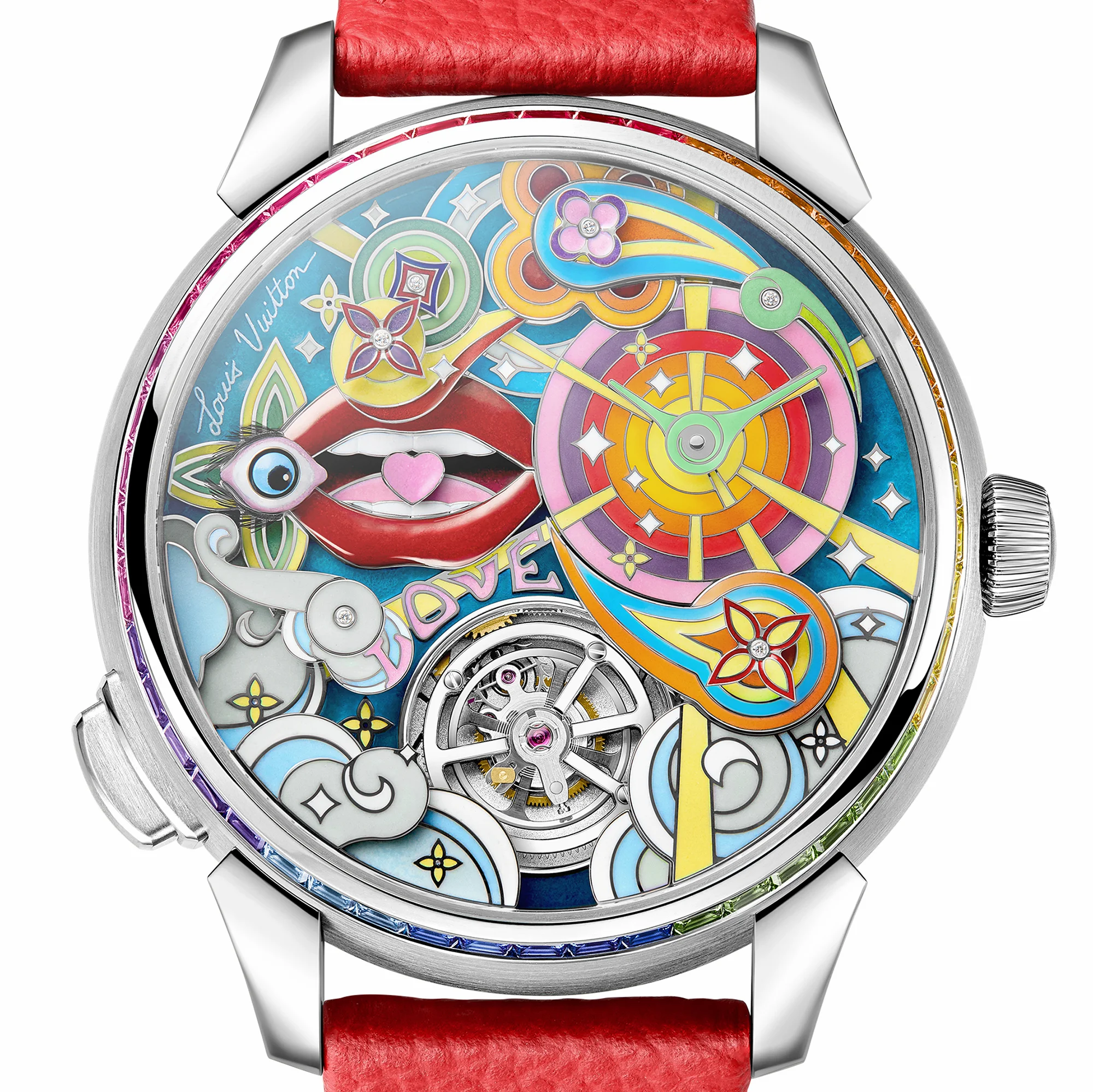 Artistic craftsLouis Vuitton – Tambour Taiko Arty Automata
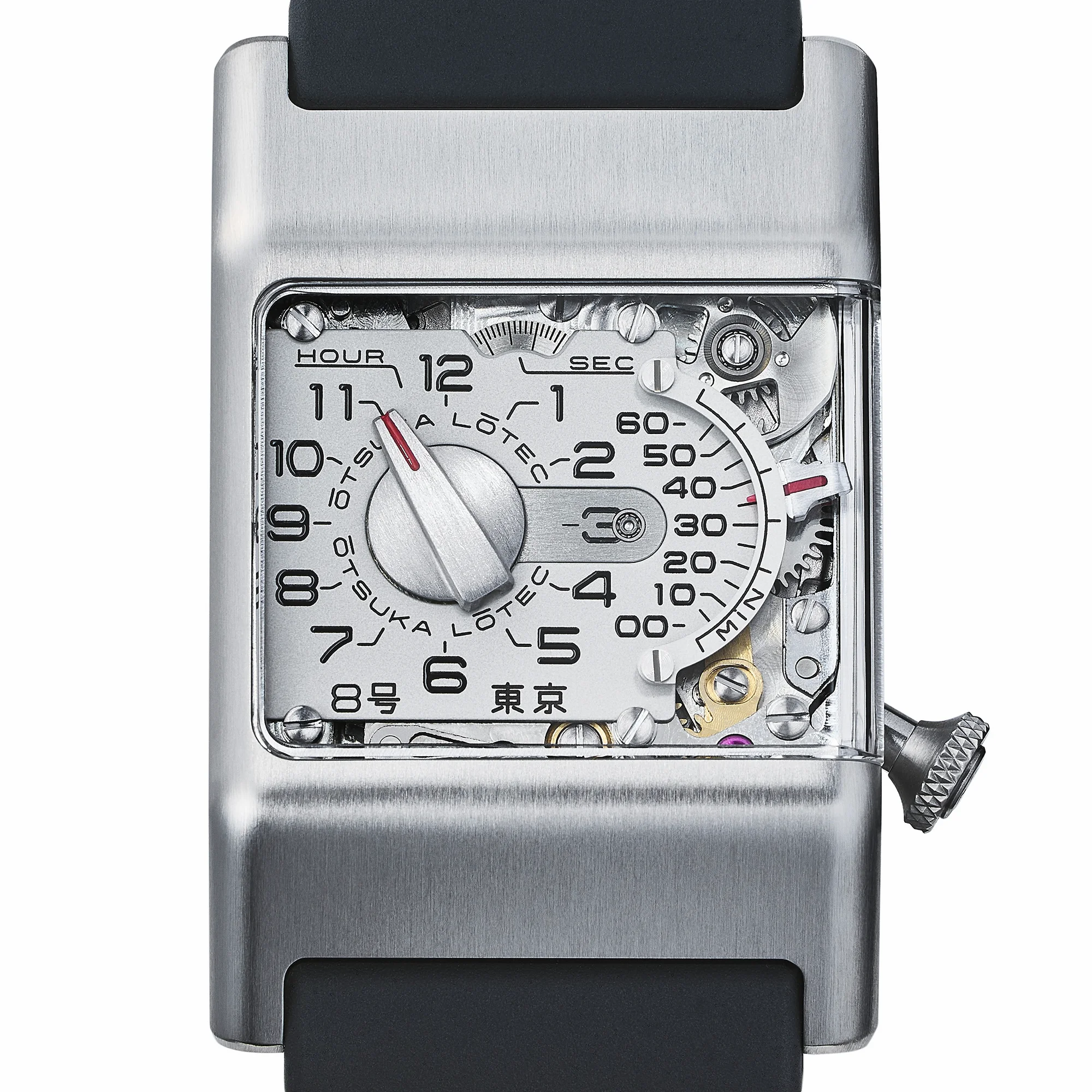 “Petite Aiguille”Otsuka Lotec – No.8
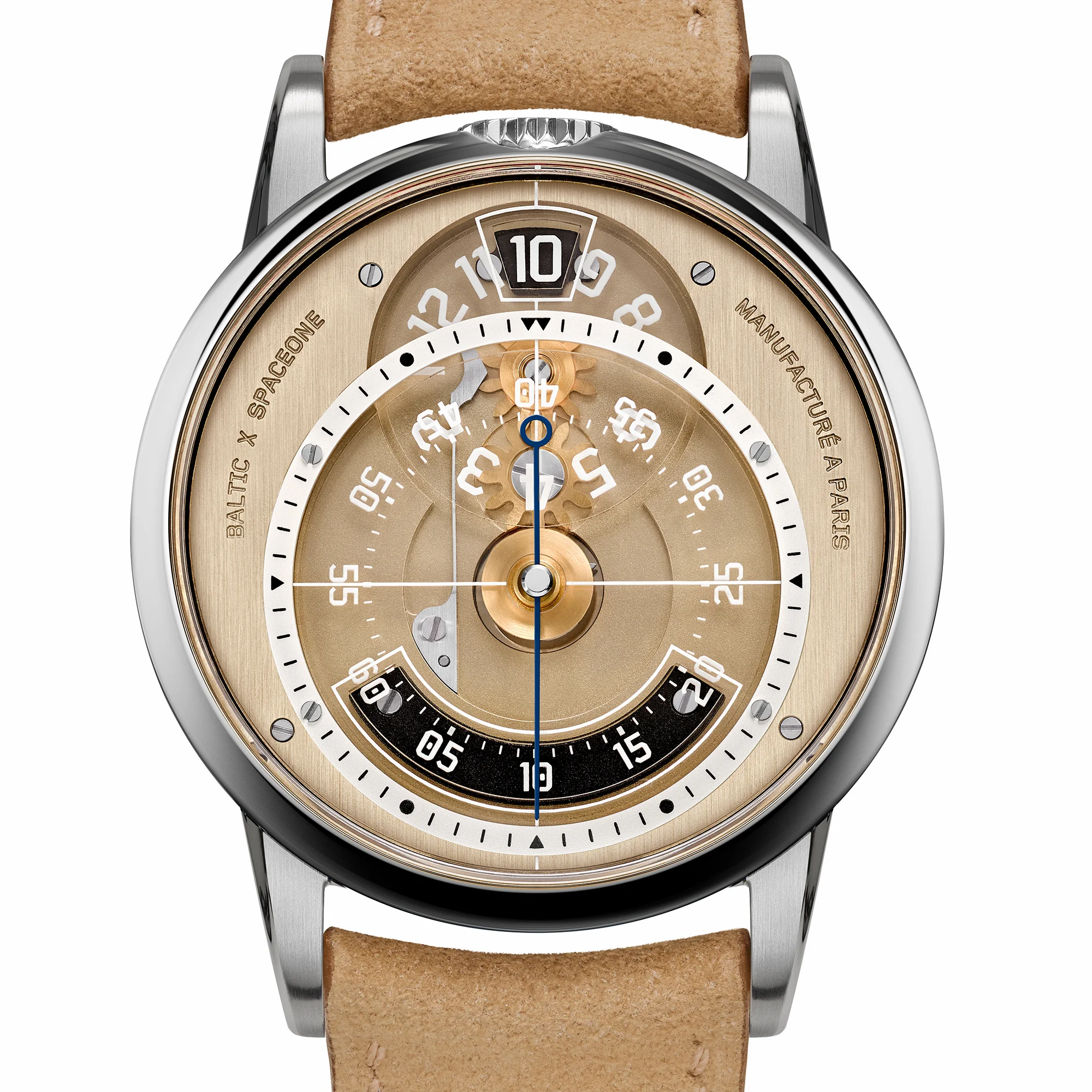 “Challenge”SpaceOne – SpaceOne X Baltic – Seconde Majeure
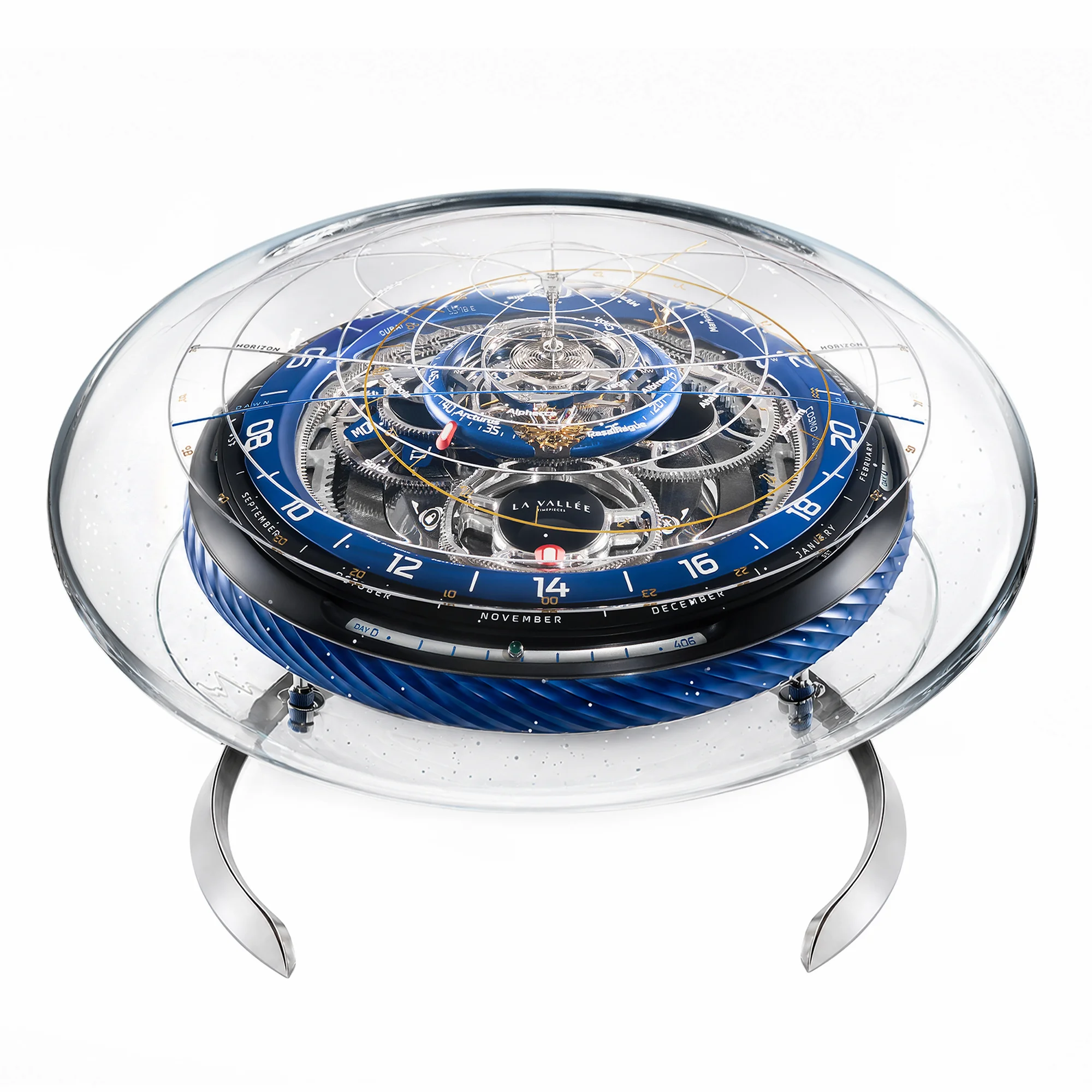 Mechanical clockLa Vallée – Cosmo
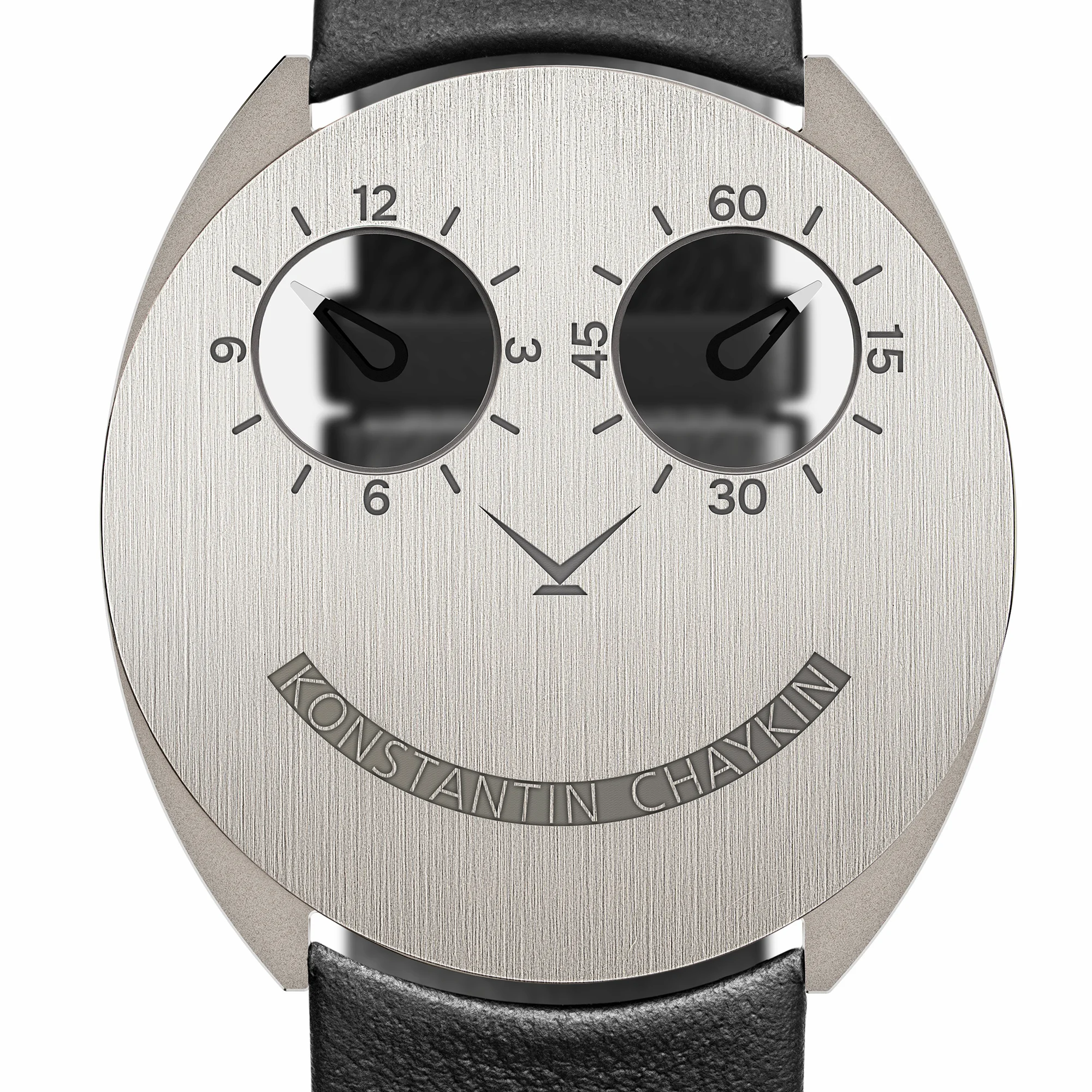 AudacityKonstantin Chaykin – ThinKing Mystery
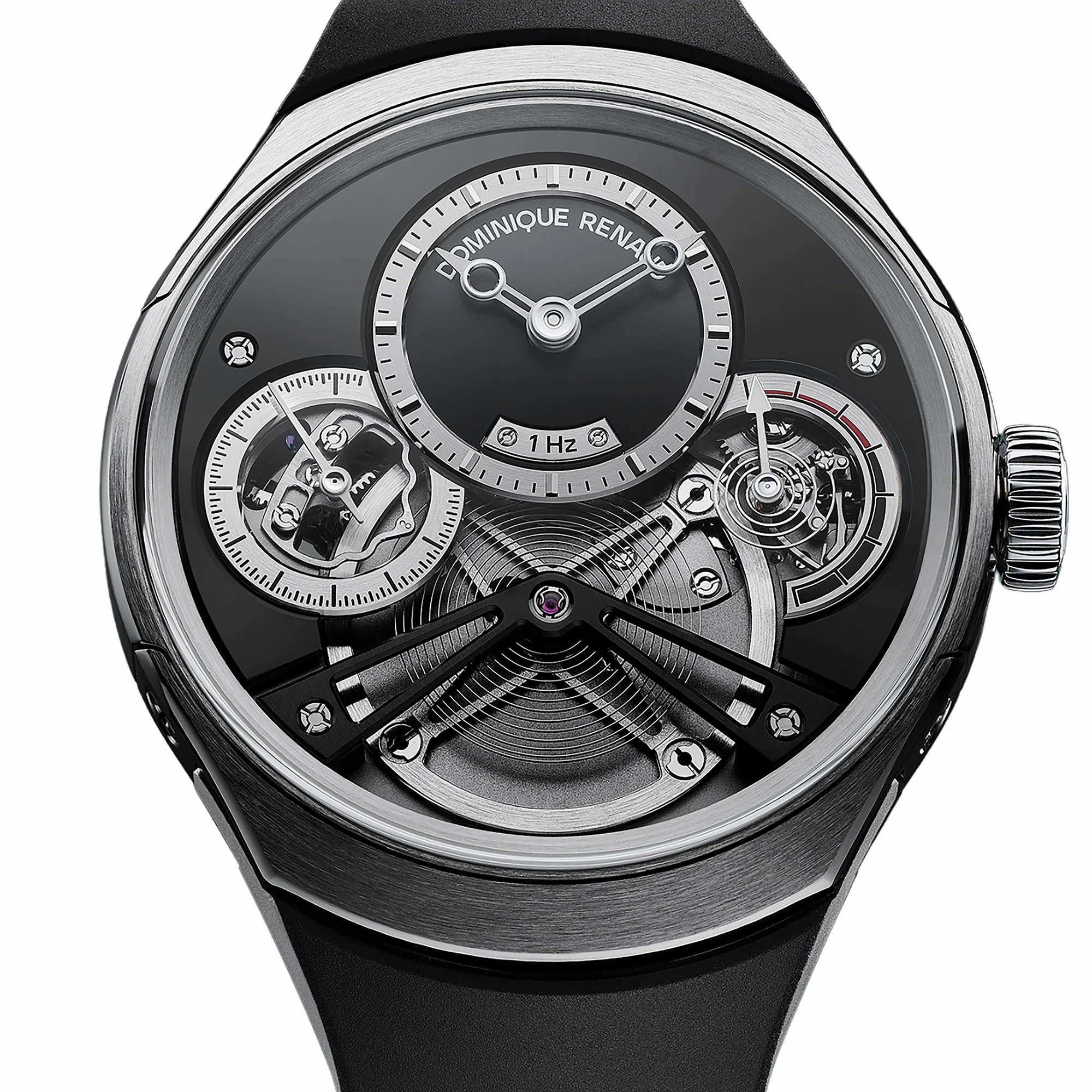 Horological revelationDominique Renaud – Pulse60 Titanium Black
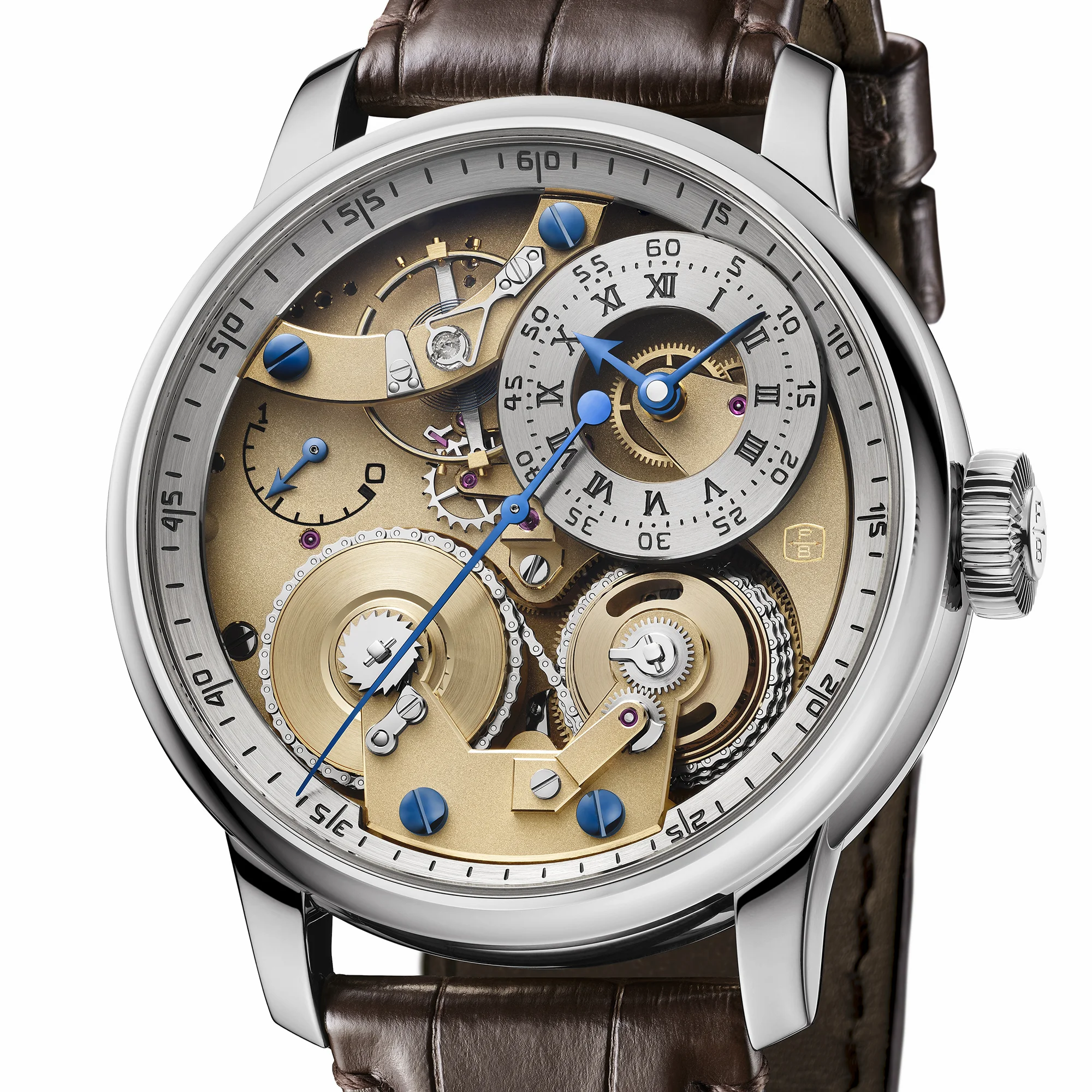 ChronometryFerdinand Berthoud – Naissance d'une Montre 3
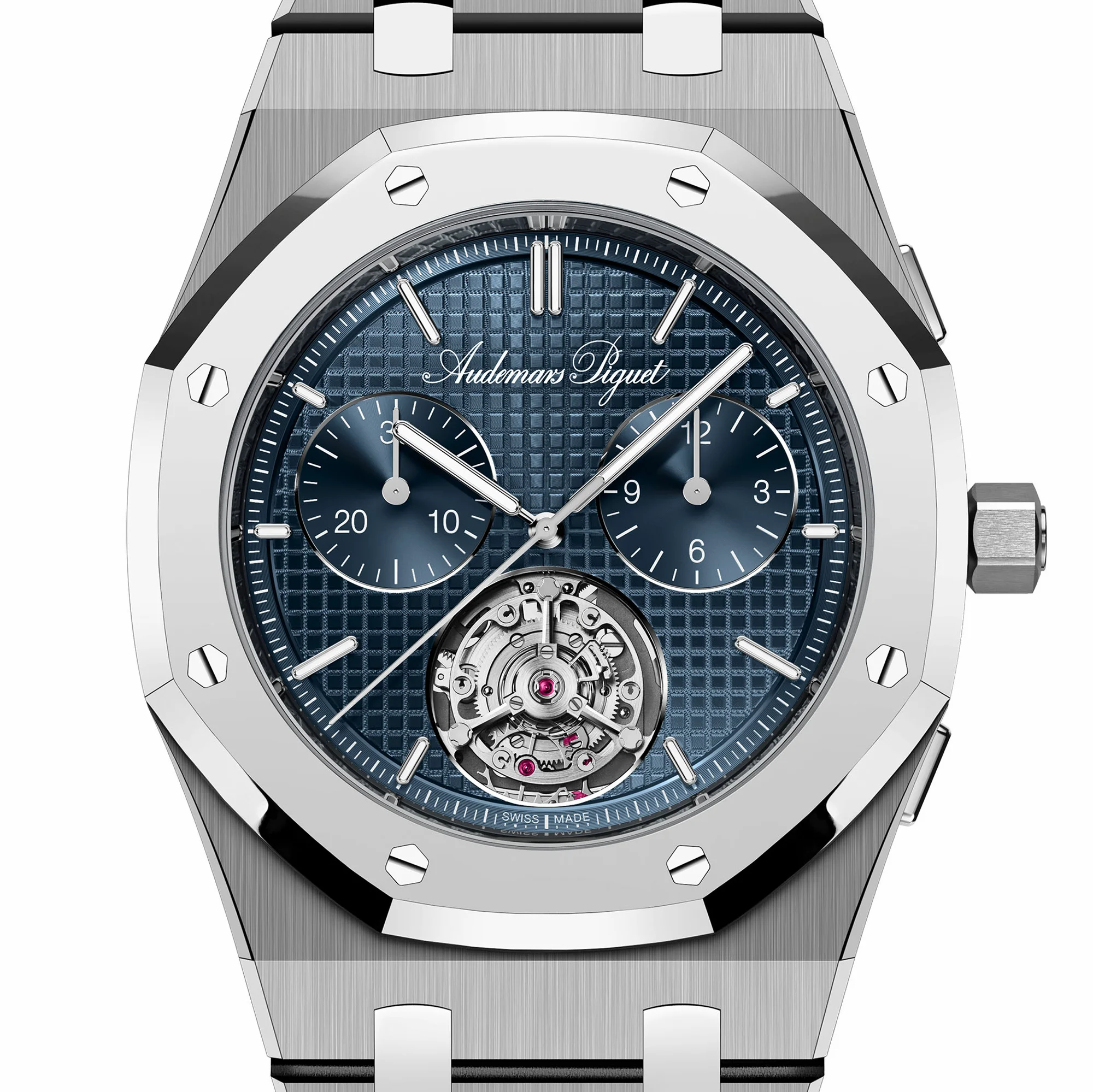 Iconic watchAudemars Piguet – Royal Oak “Jumbo” RD#5 “150th Anniversary”
- Special jury prizePatek Philippe – the “Watch Art Grand Exhibition”
Source: gphg.org, “Prize list 26”. Photos © GPHG; tap for the model’s page.
Zurich · 23–28 November
“The Doctor”
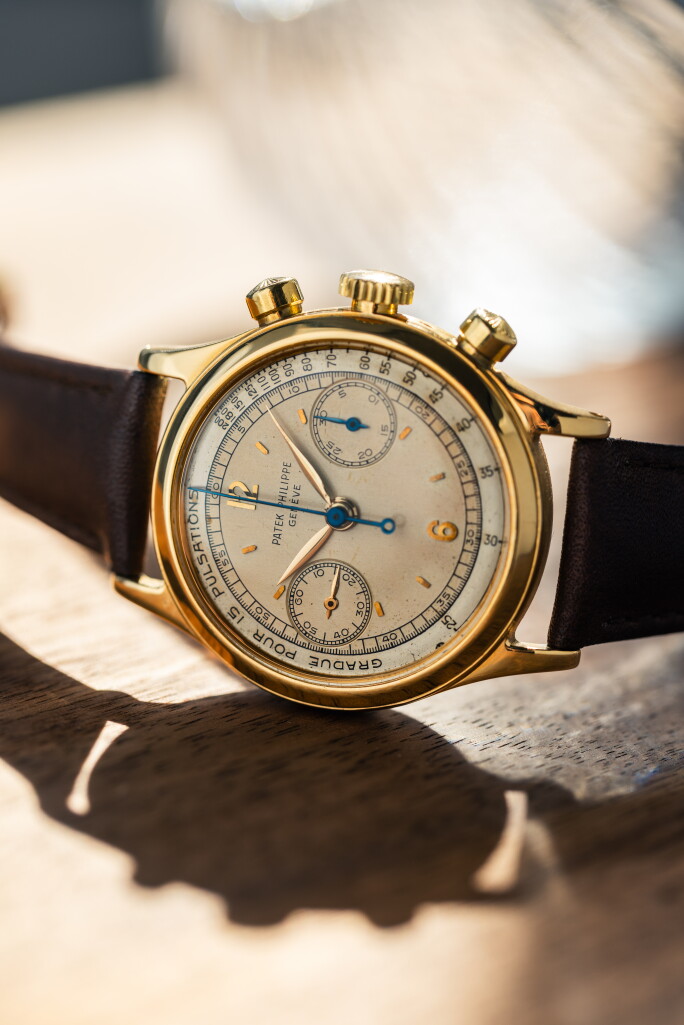
From 23 November Sotheby's in Zurich will show the exhibition “The Human Touch”, centred on the Patek Philippe 1563 nicknamed “The Doctor”. The auction house calls it the earliest known water-resistant split-seconds wristwatch chronograph. Patek Philippe’s archives record only three such pieces.
This one was originally a reference 1436 (movement No. 862 420). In 1943 it received a Taubert & Borgel case and a two-tone pulsometer dial – the only one known. A former owner was Jean-Claude Biver. The exhibition page says nothing about an auction.
Sotheby's, Rämistrasse 3, Zurich · Mon–Sat 13:00–18:00
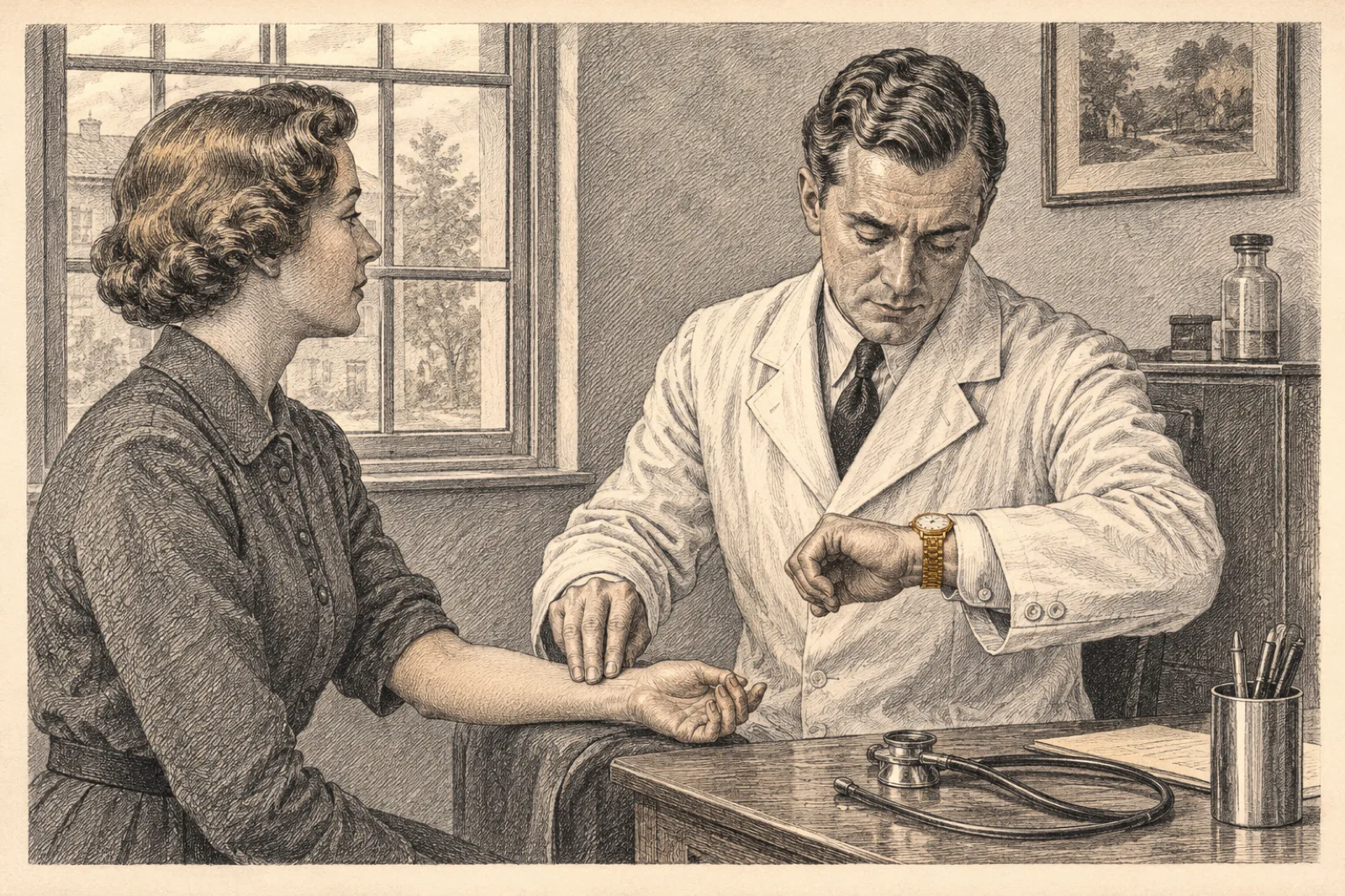
The dial reads Gradué pour 15 pulsations. The doctor starts the chronograph, counts 15 beats of the pulse and stops it – the seconds hand on the scale immediately shows beats per minute. The scale is simple arithmetic: if 15 beats took t seconds, a minute holds 15 × 60 ÷ t. Try it yourself.
Put your fingers on your wrist and press the button with each beat: the first press starts the chronograph, the fifteenth after it stops it.
The scale is drawn from the formula 900 ÷ t: 60 beats a minute at 15 seconds, 100 at 9.
Why so much: it is F.P. Journe’s first annual calendar and one of 19 pieces made in the first year, 2003. The estimate was 400–800 thousand francs. Source: Antiquorum, lot 475.
Geneva · 7–8 November
The early Journe
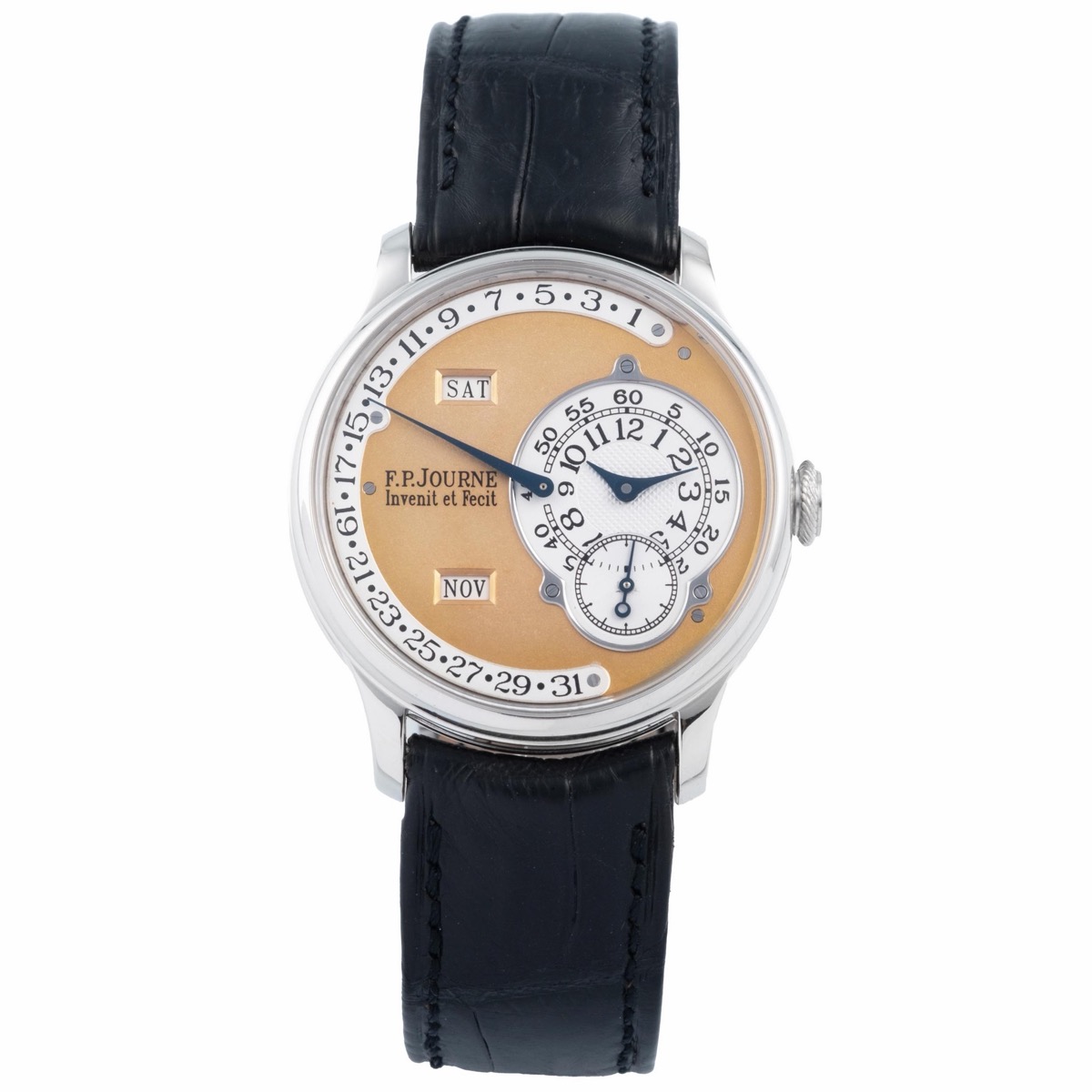
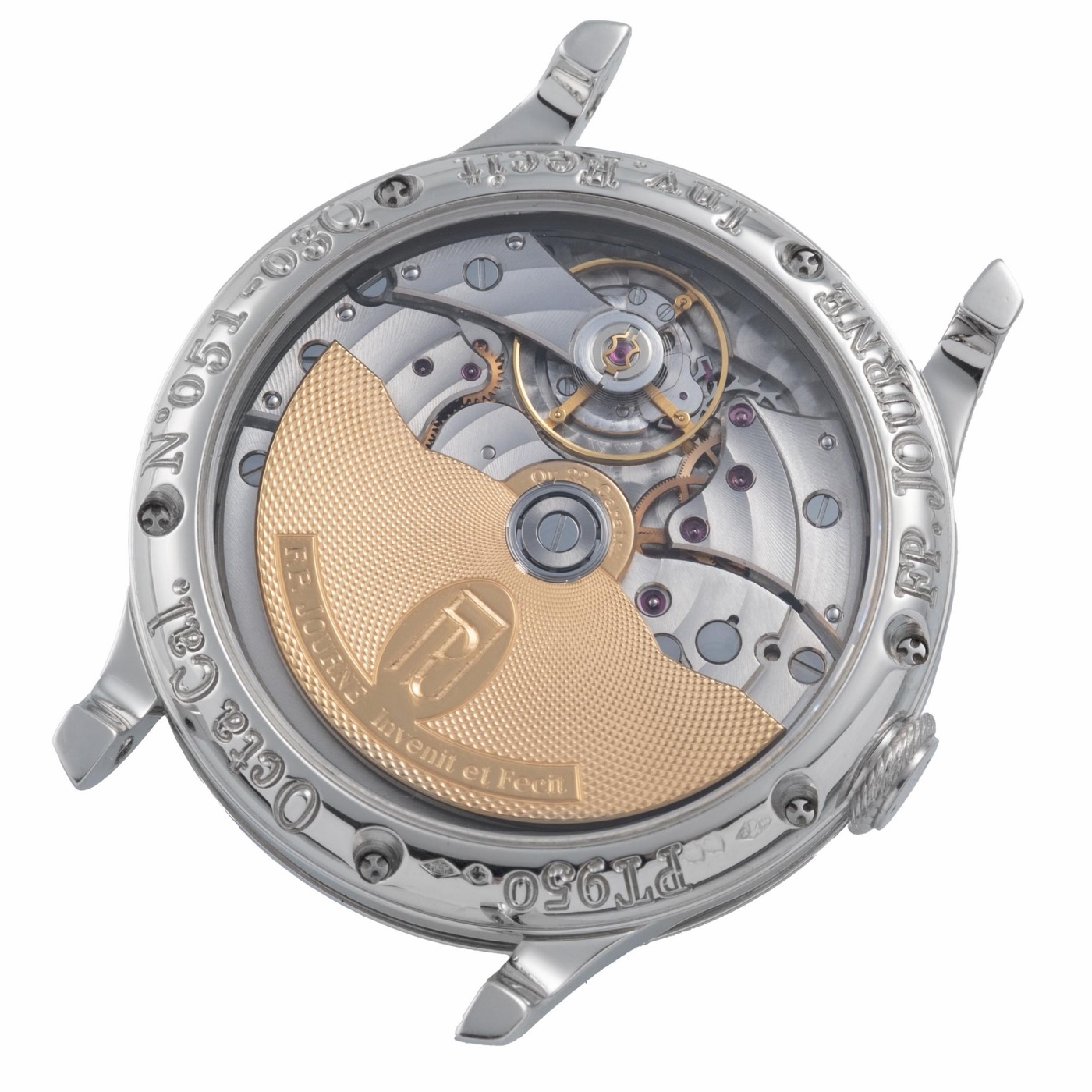
The Octa Calendrier appeared in 2003 and in its original form was made for only two years. It is F.P. Journe’s first annual calendar: the date runs in an arc across the top of the dial and jumps back, the day and month sit in separate windows. The automatic Octa calibre runs the watch for more than 120 hours.
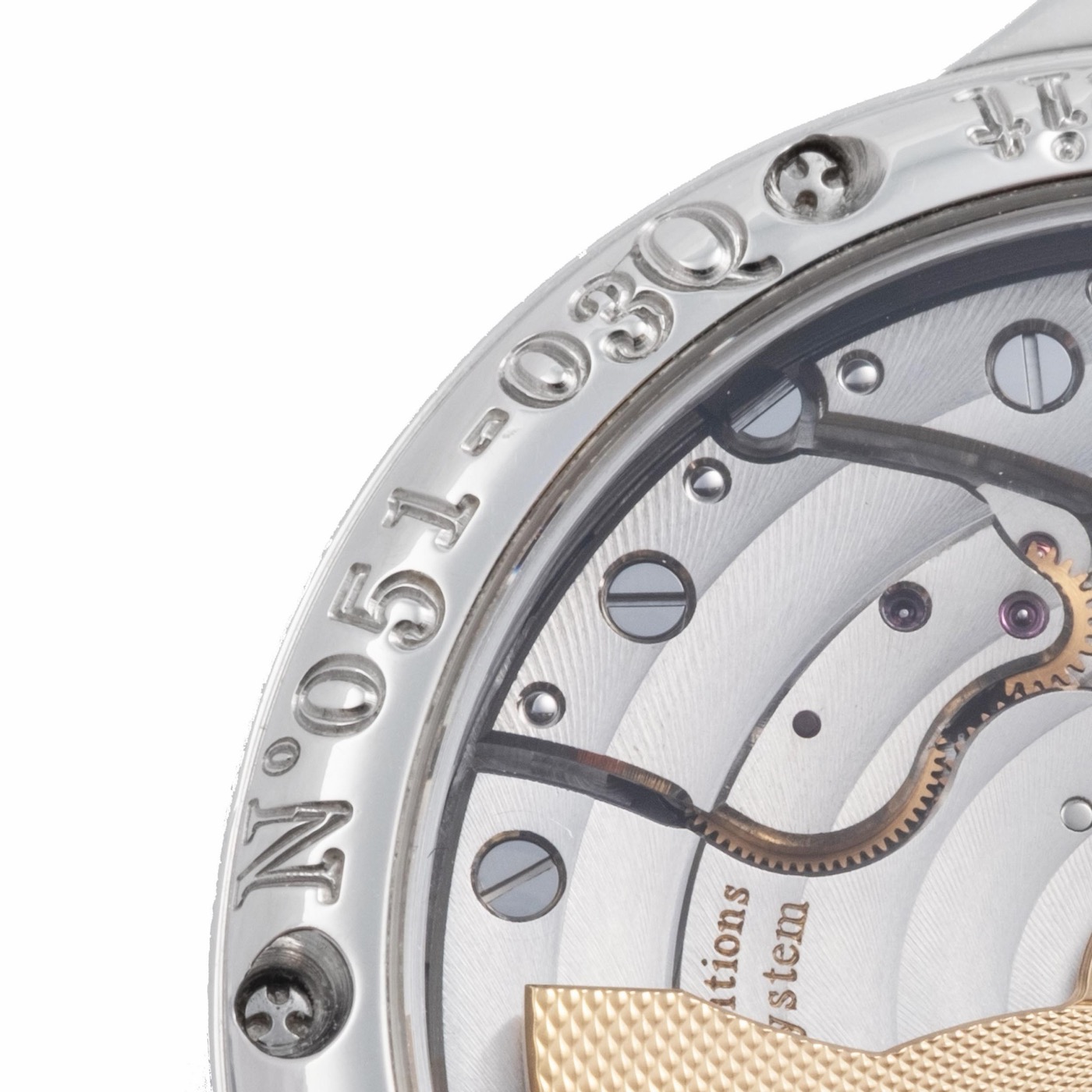
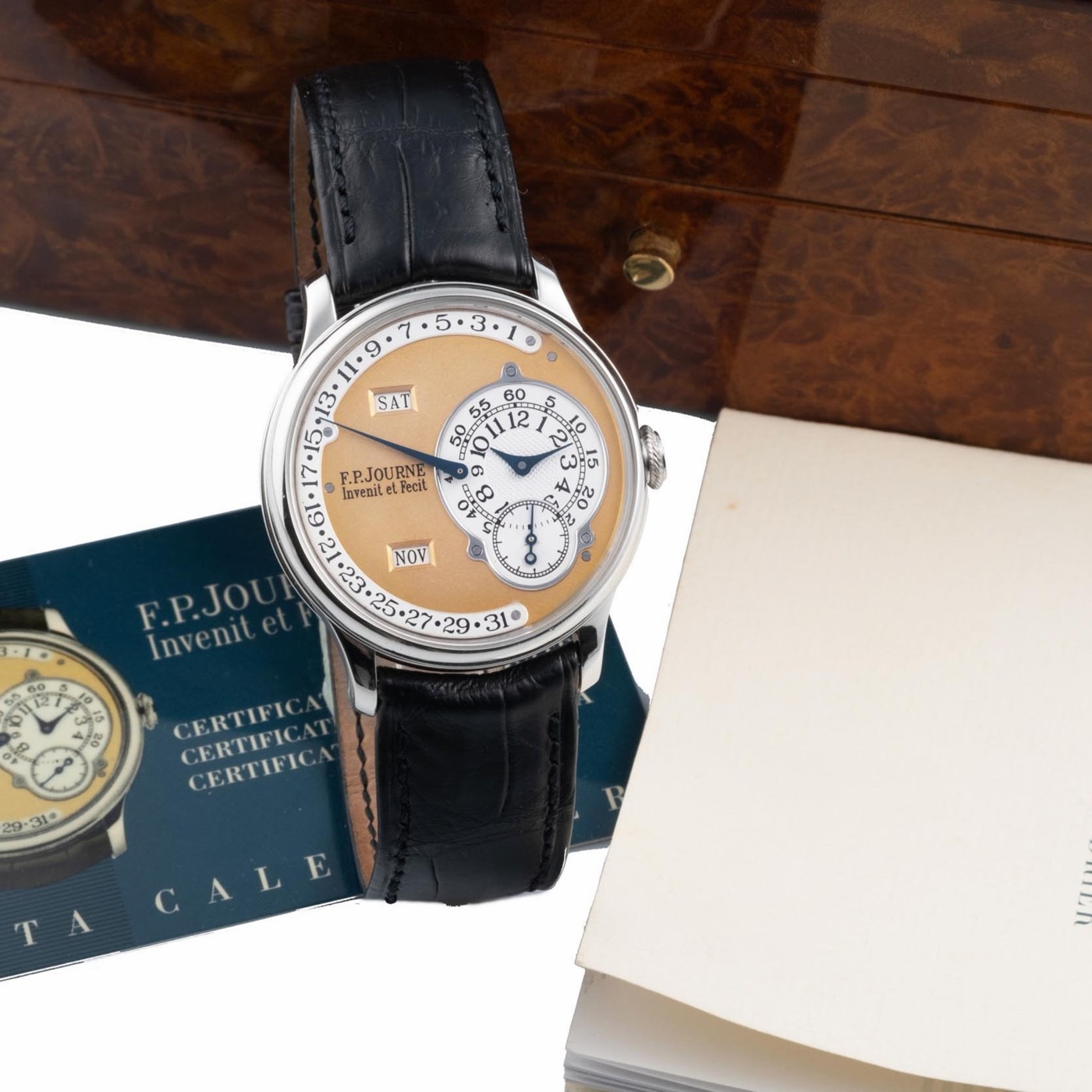
This piece is one of the very first: a 38 mm platinum case, a yellow-gold dial and calibre 1300 with brass plates and bridges – before Journe began making his movements in 18-carat rose gold. The watch came from its first owner in Portugal with its original box, warranty card and manual.
It was the top lot of the sale; the whole auction made 9.41 million francs. Whether the total includes the buyer’s premium is not stated on the auction page.
New watches
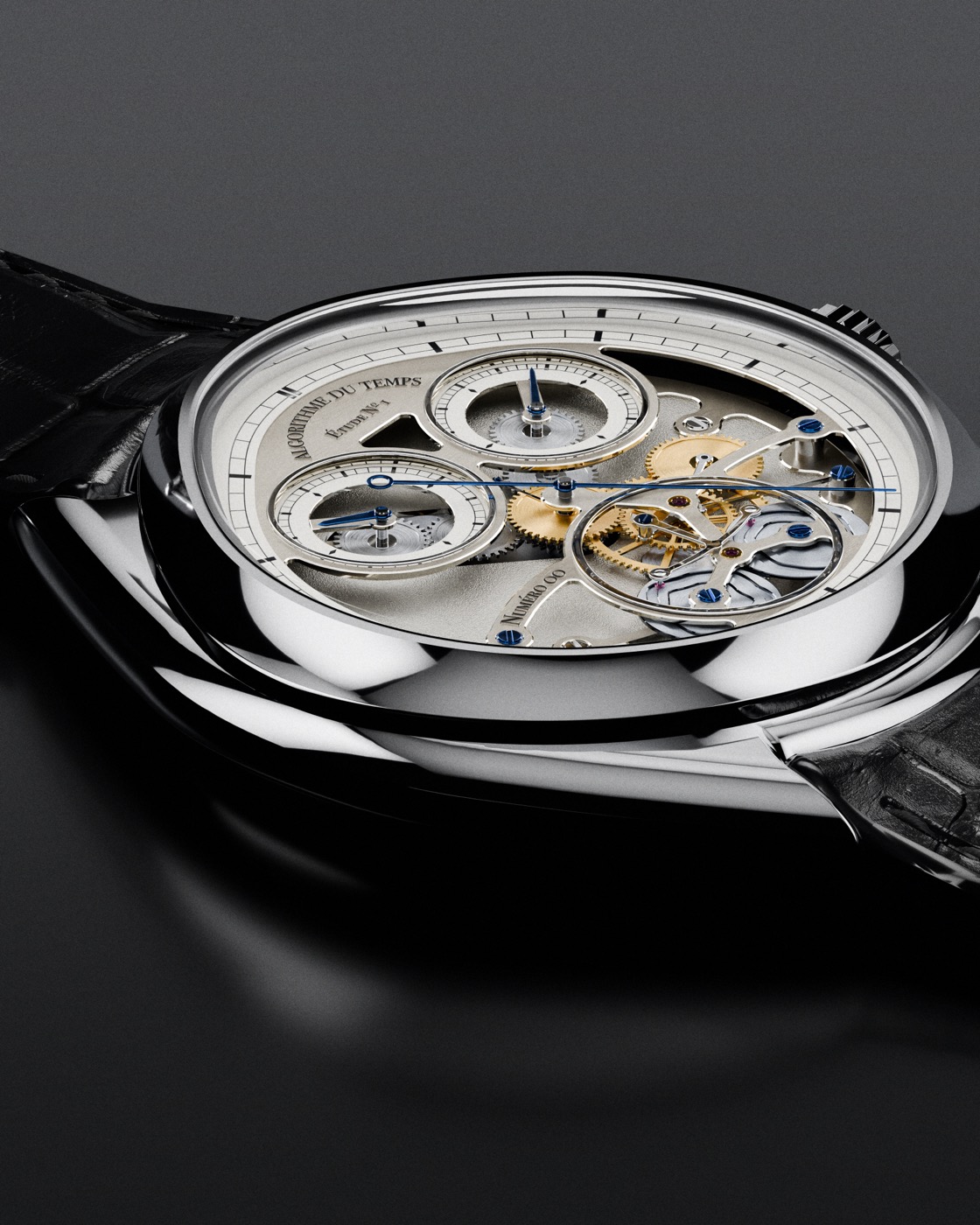
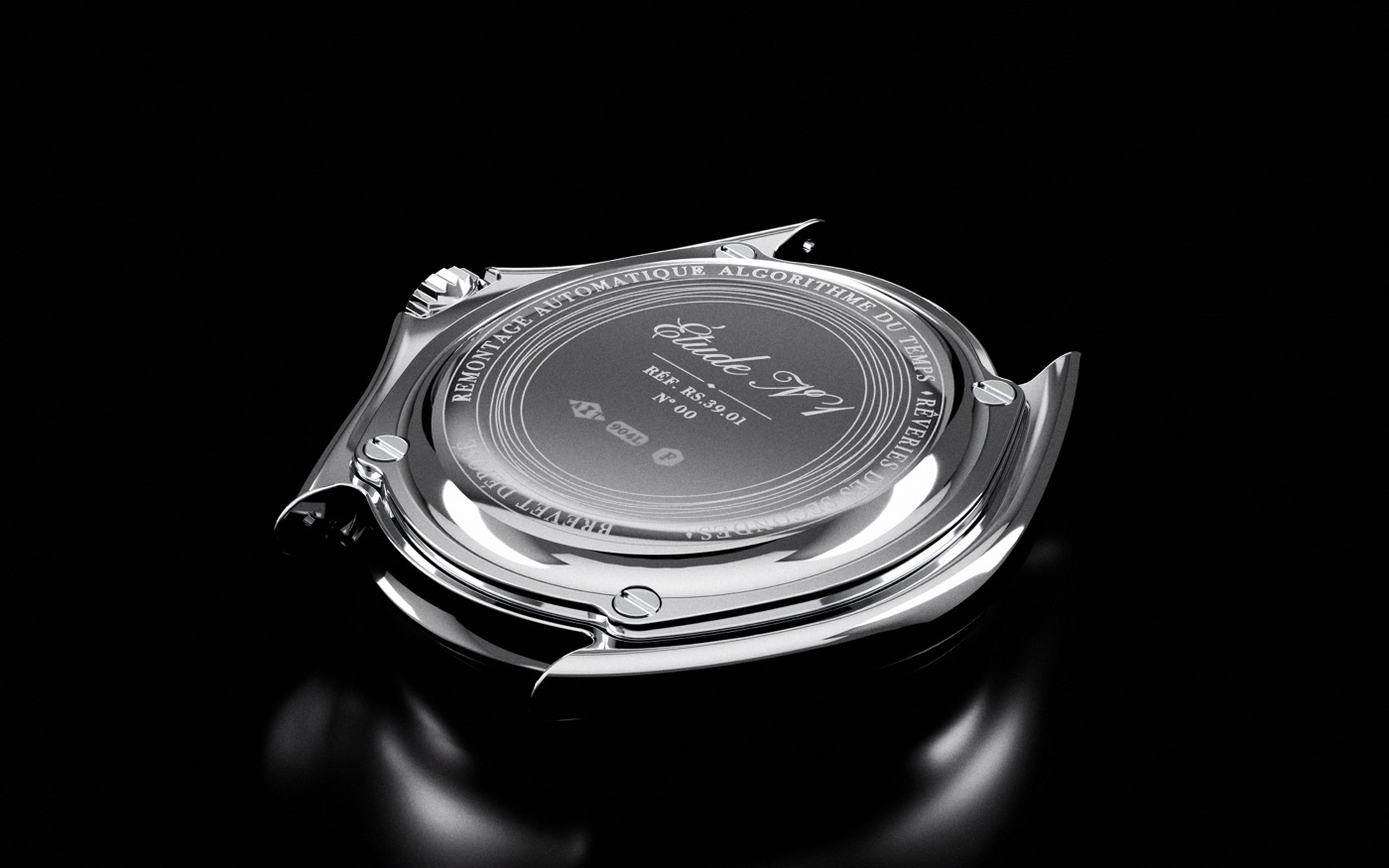
A second that runs backwards 19 % of the time
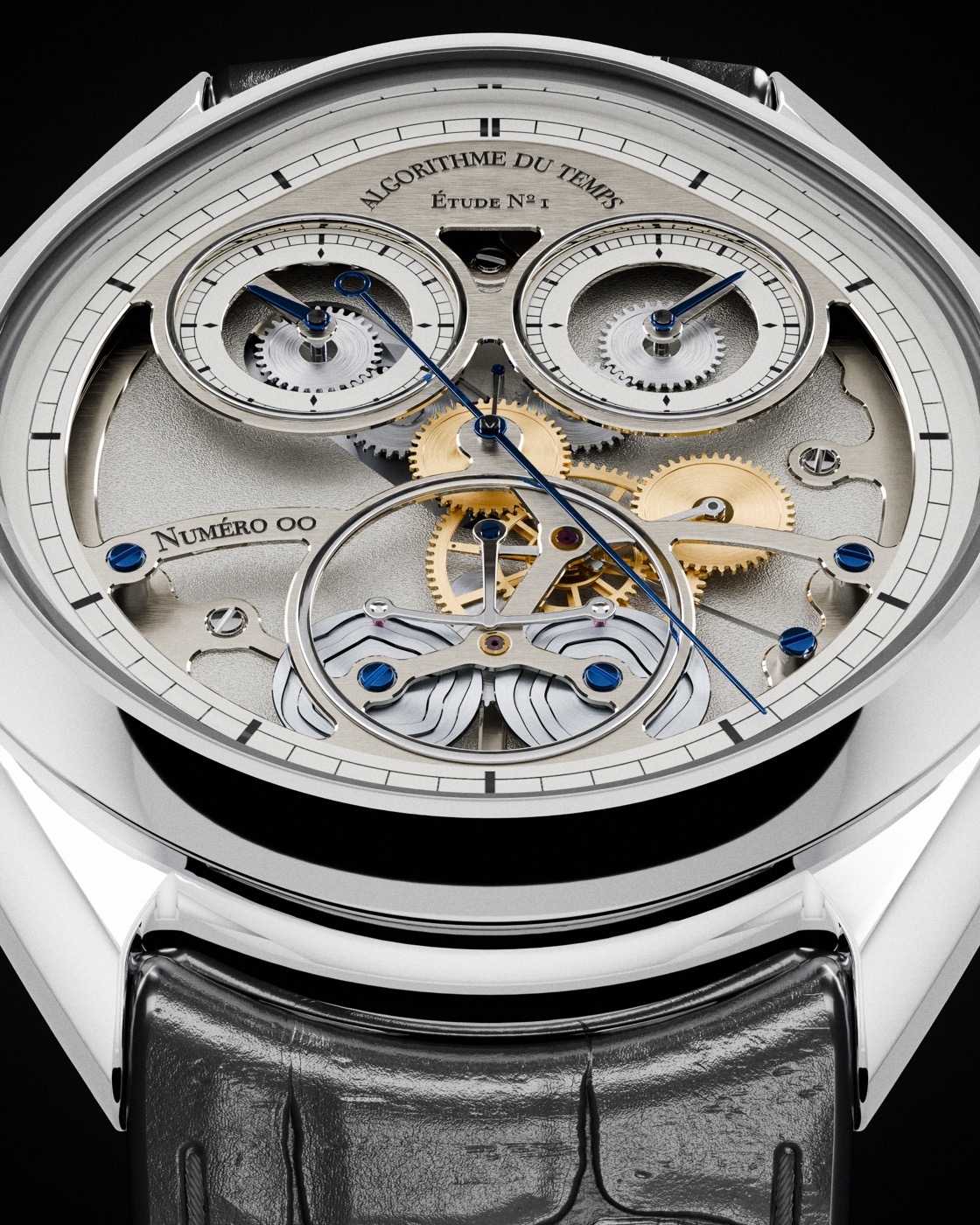
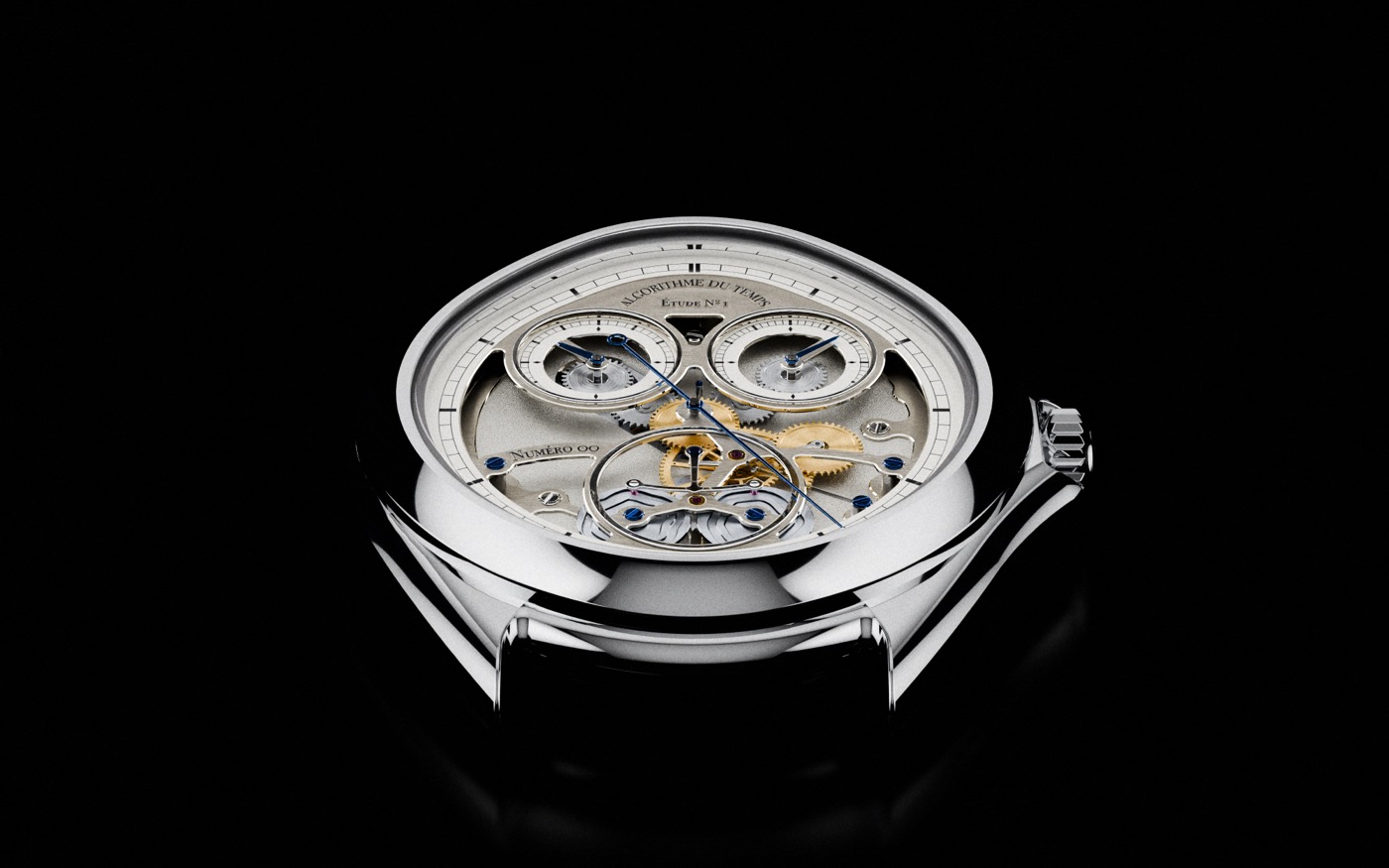
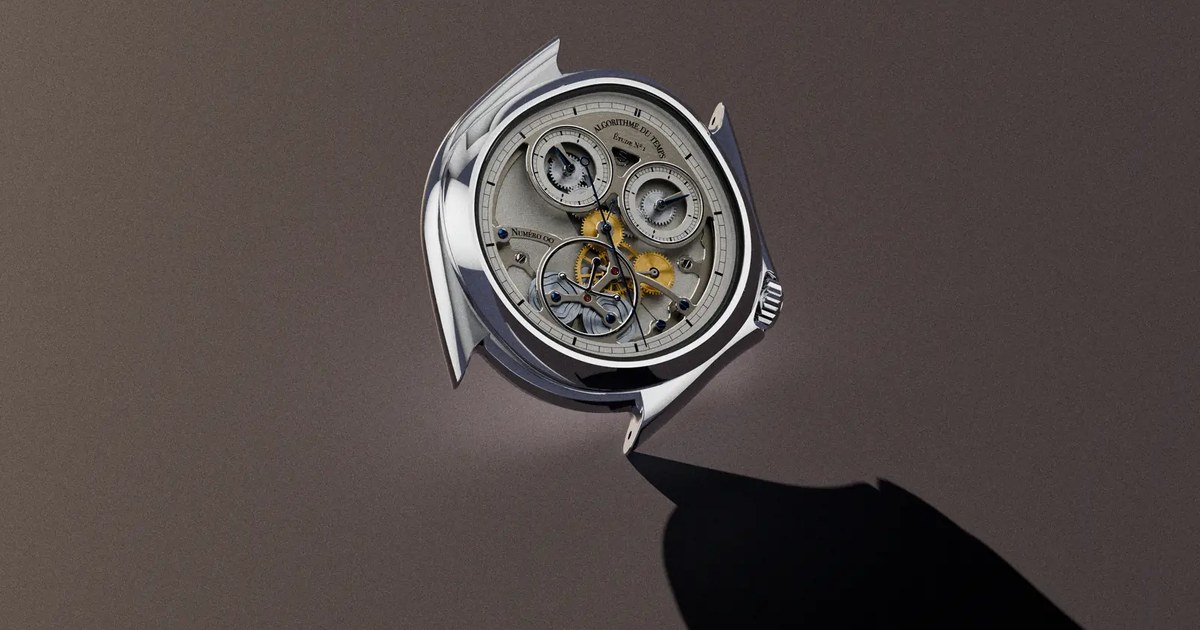
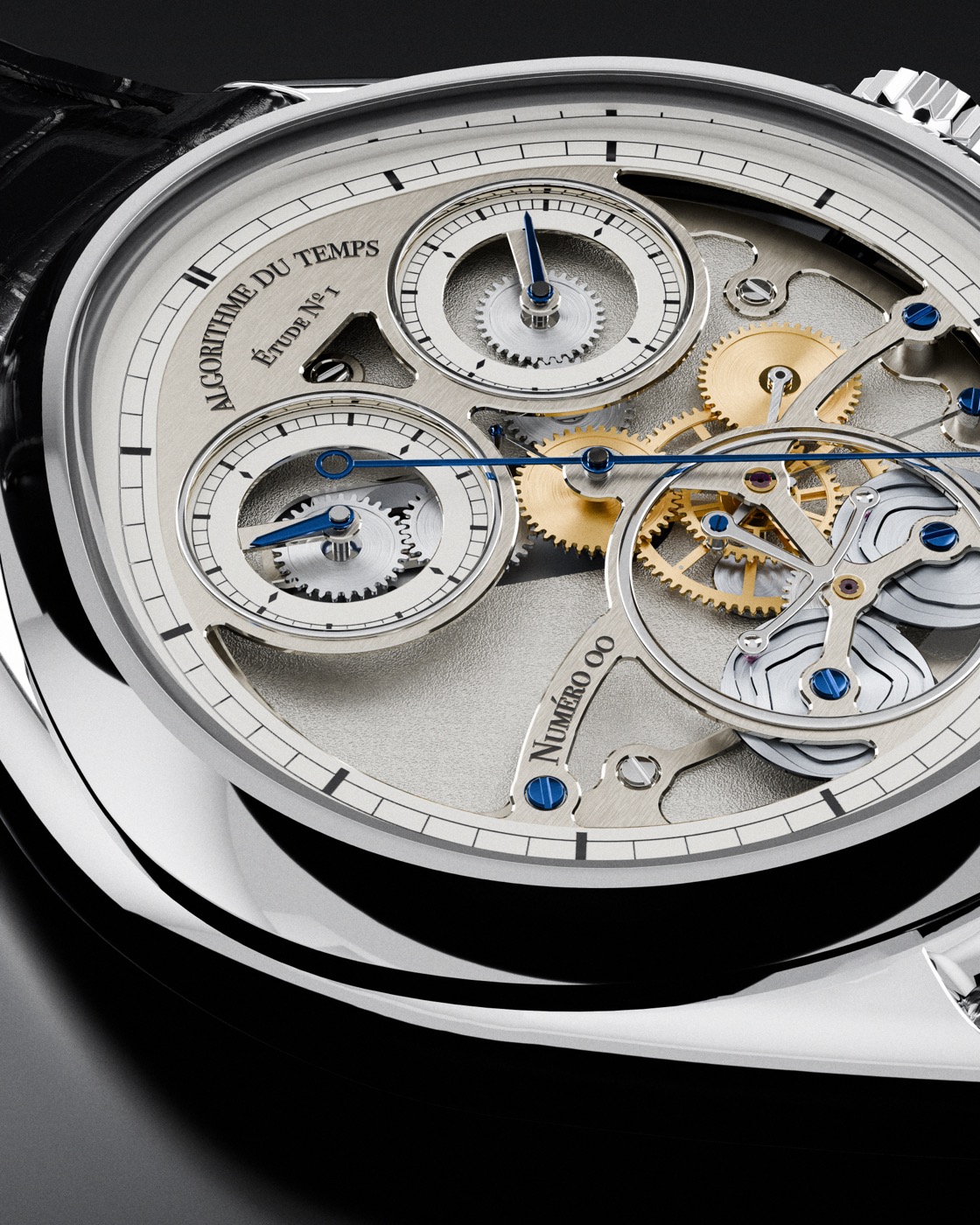
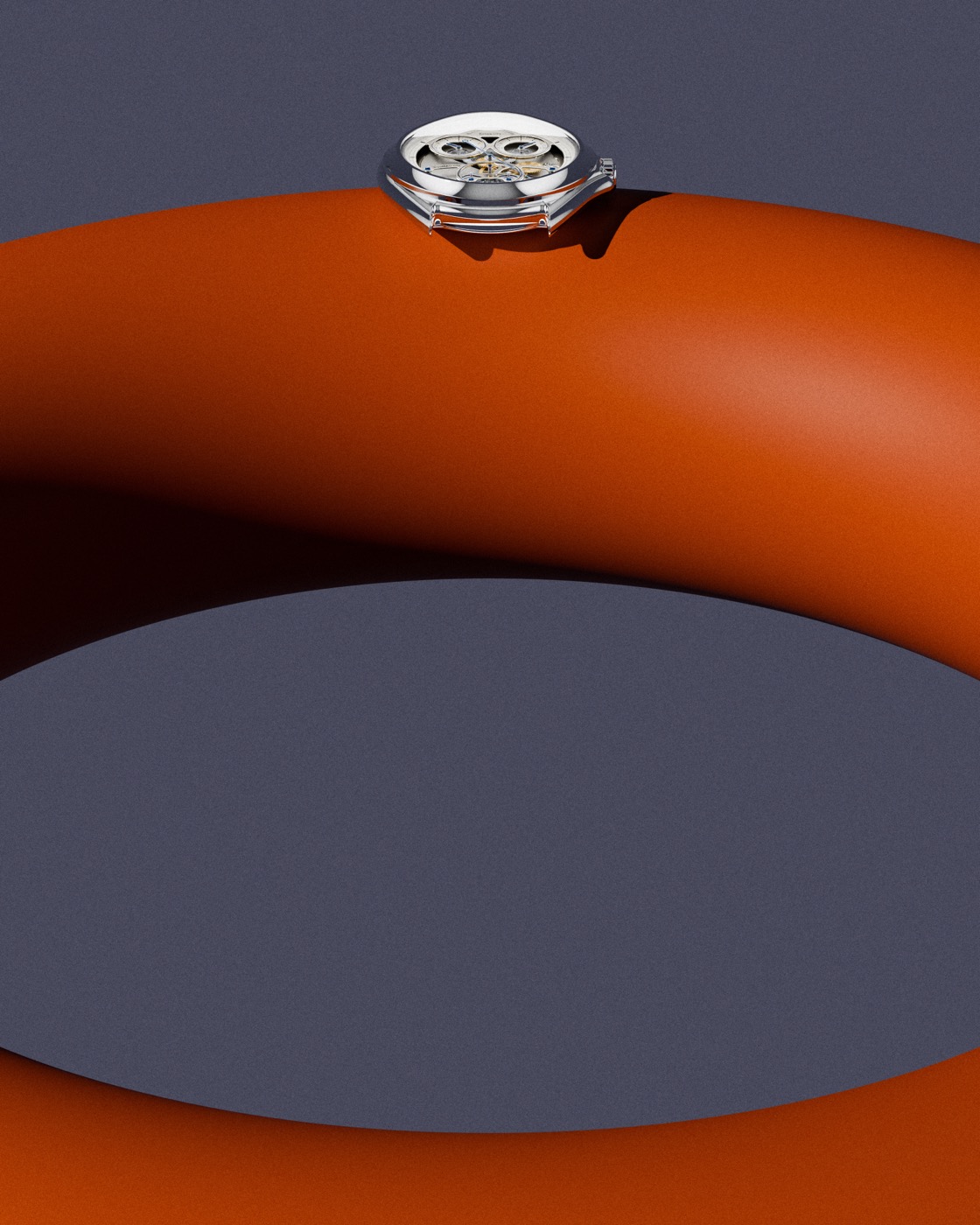
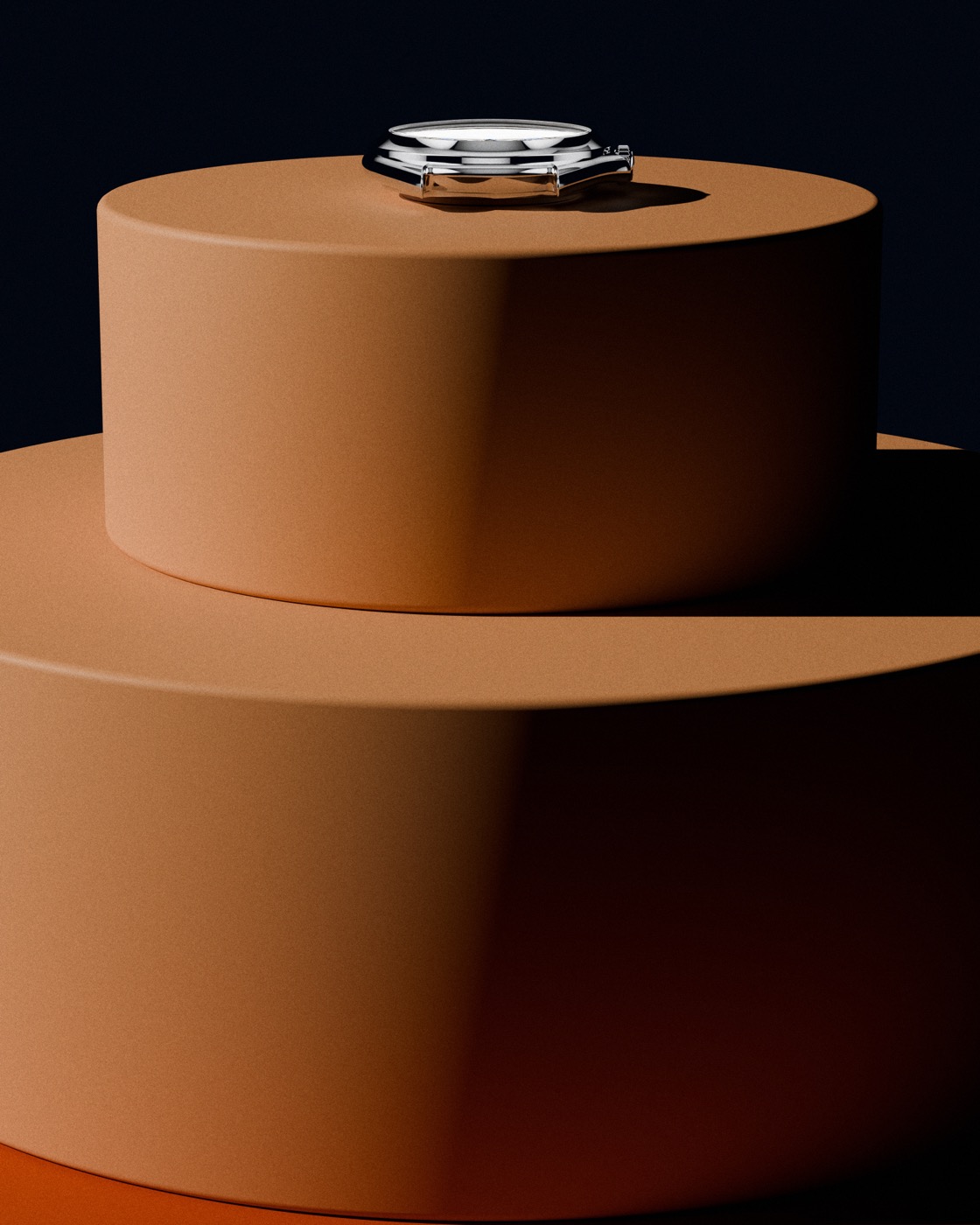
The seconds hand of Rêveries des Secondes (Étude Nº1) does not sweep a steady circle: it races up to three times normal speed, slows down and goes back – backwards as much as 19 % of the time, changing direction 46 times in five minutes. Hand = seconds + offset; the offset is set by a lever resting on two cams with periods of 50 and 42.86 s. Together they return to the start after 300 s (6 × 50 = 7 × 42.86), so the pattern repeats every five minutes, and at the end of each minute the hand crosses 12 exactly.
Base: Sellita SW200-1, case in 904L steel, 38 × 42.1 mm. There will be 40 numbered pieces; for now it is a prototype, and the maker’s site gives no price.
The last ReSec
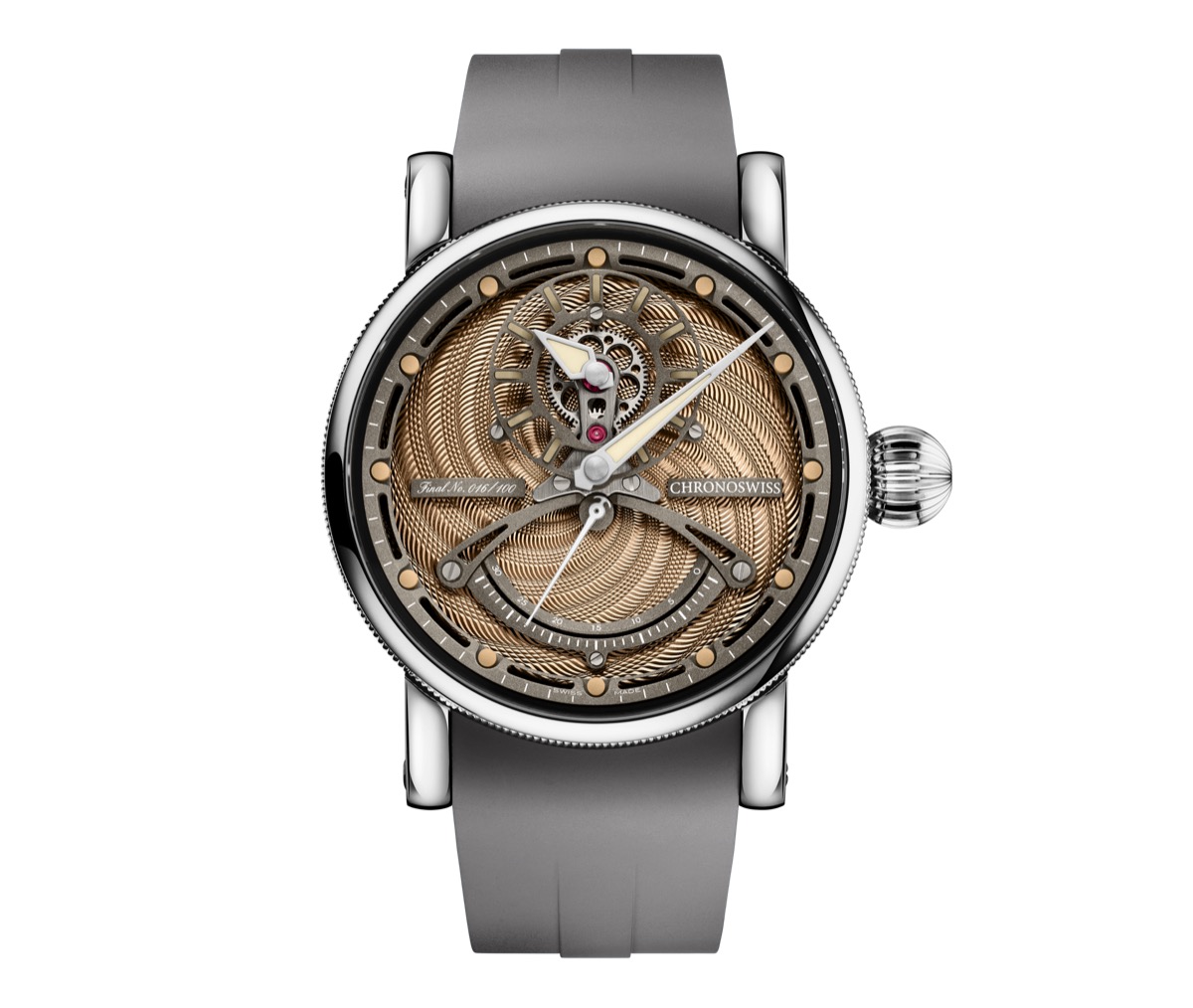
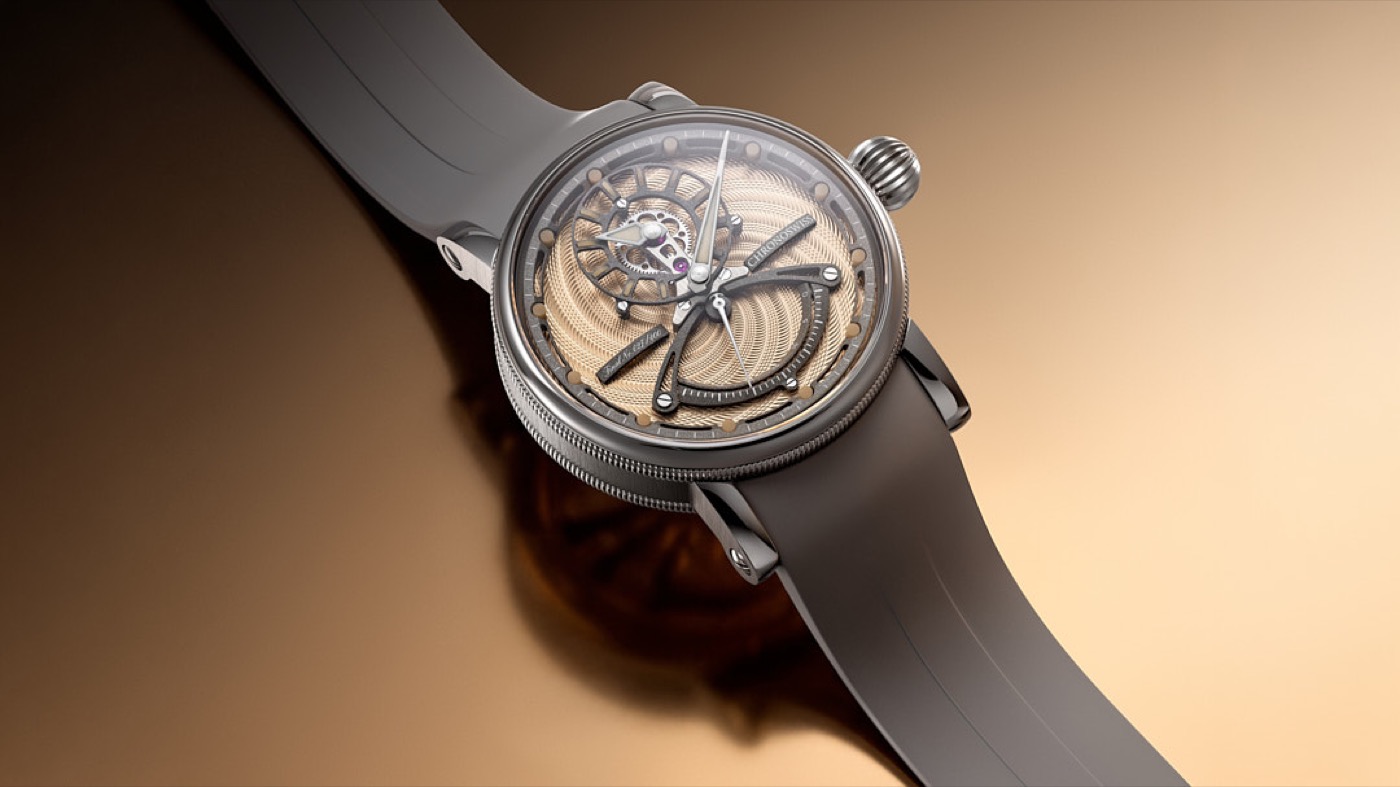
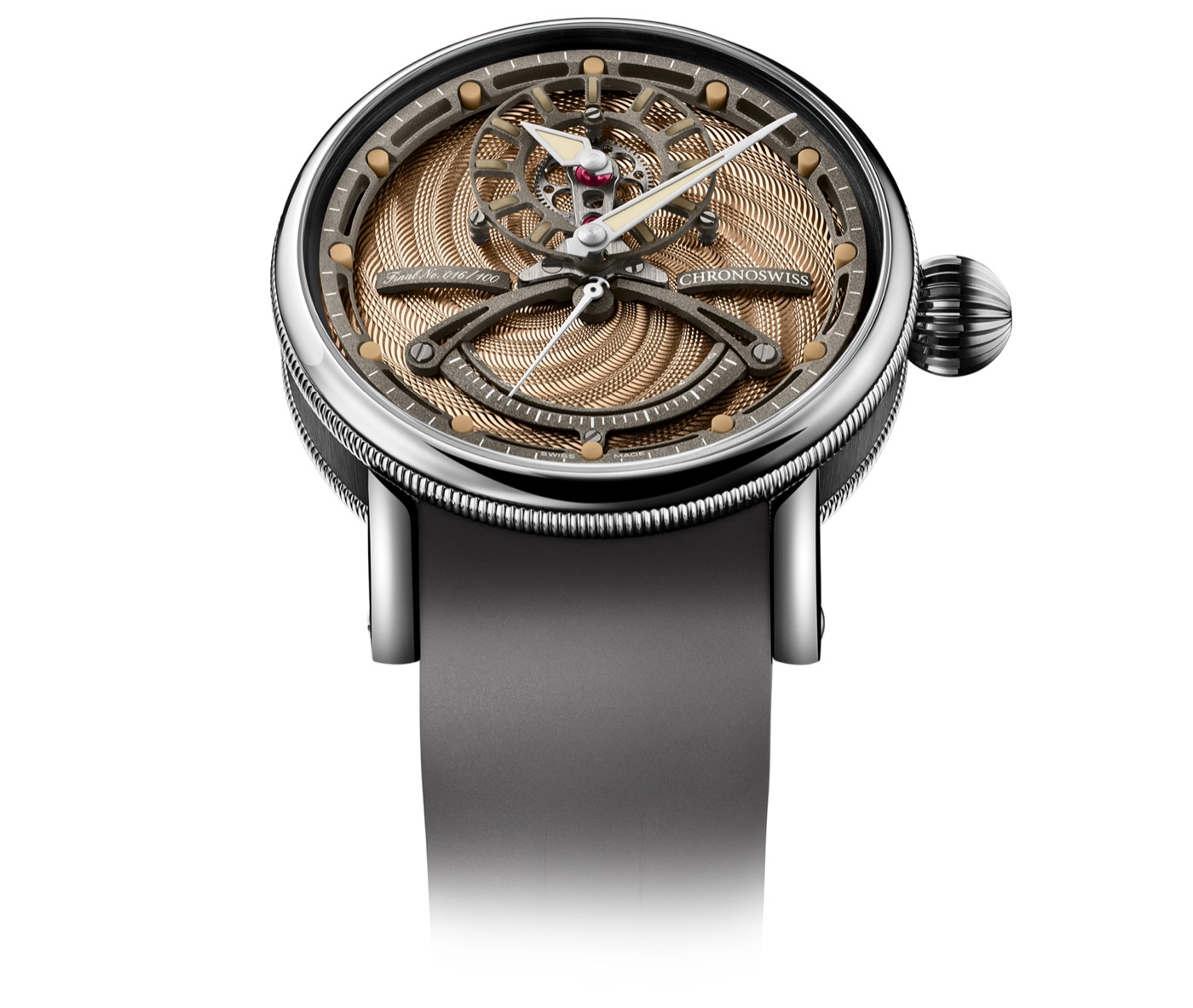
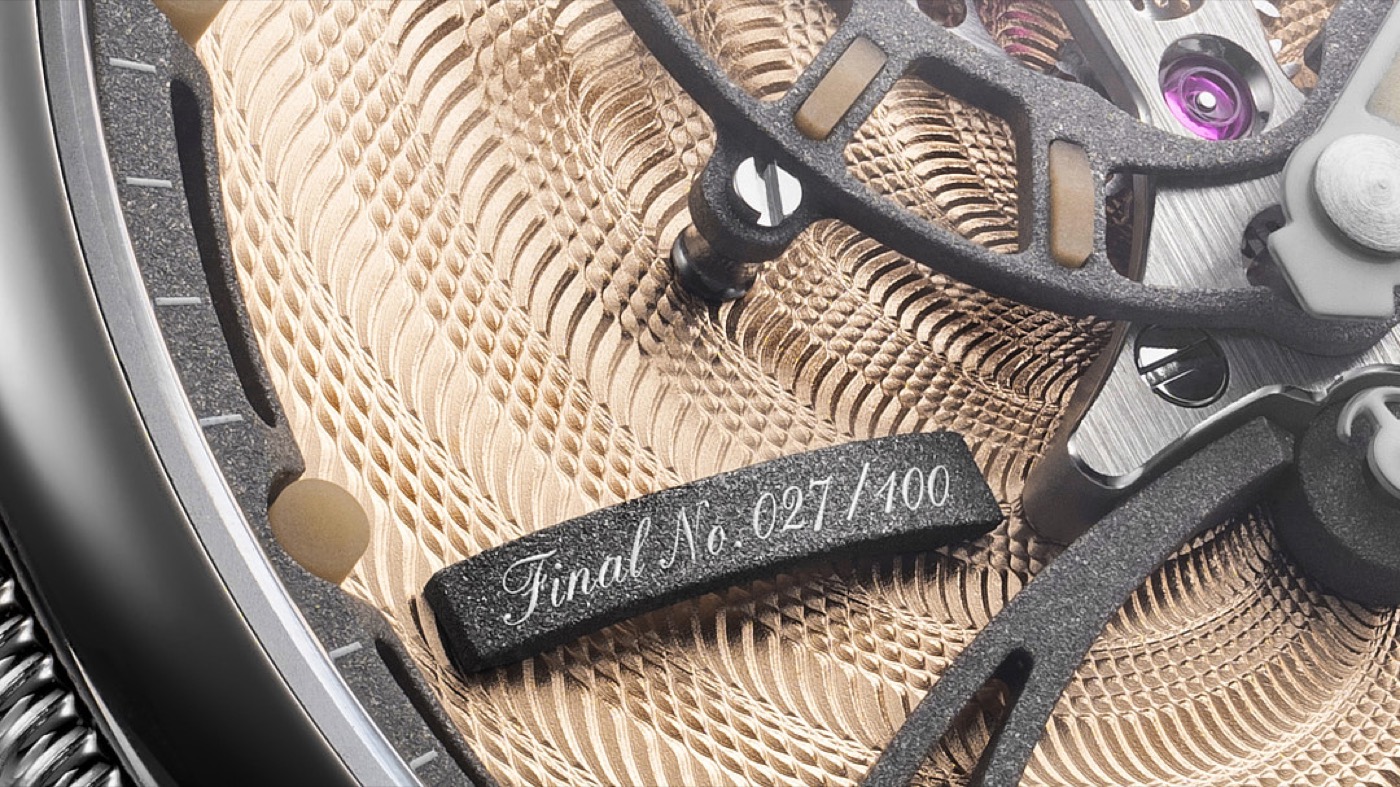
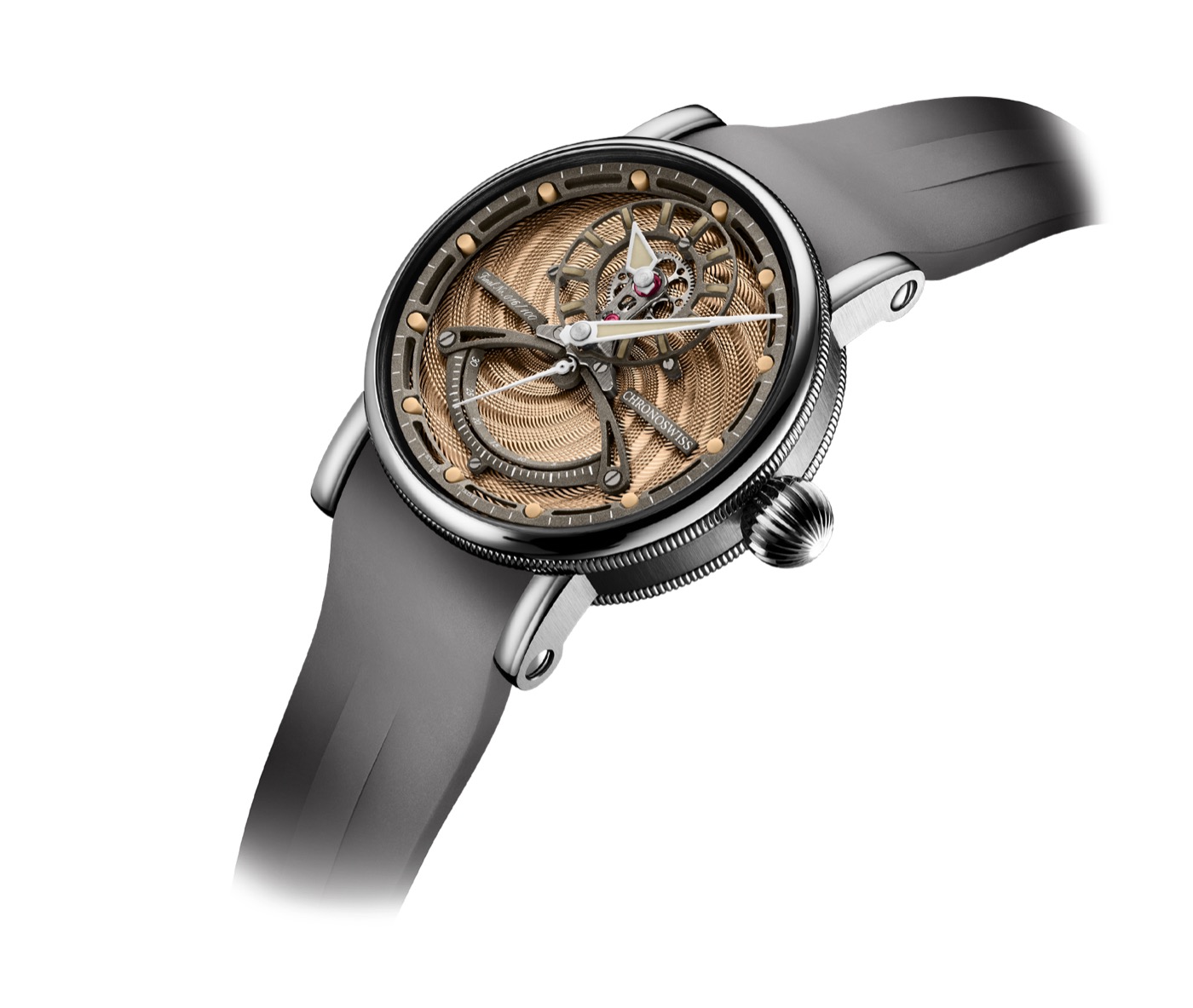
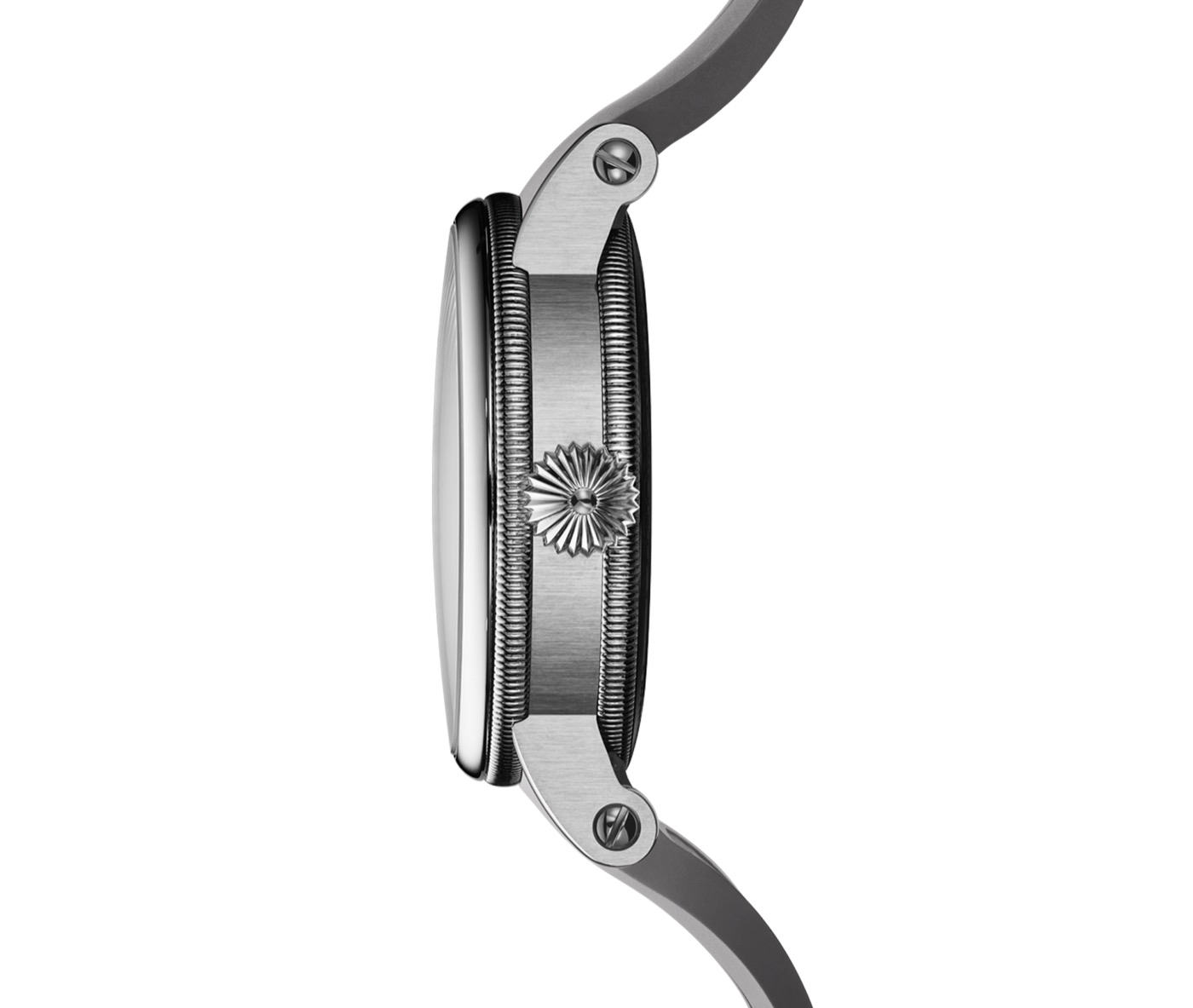
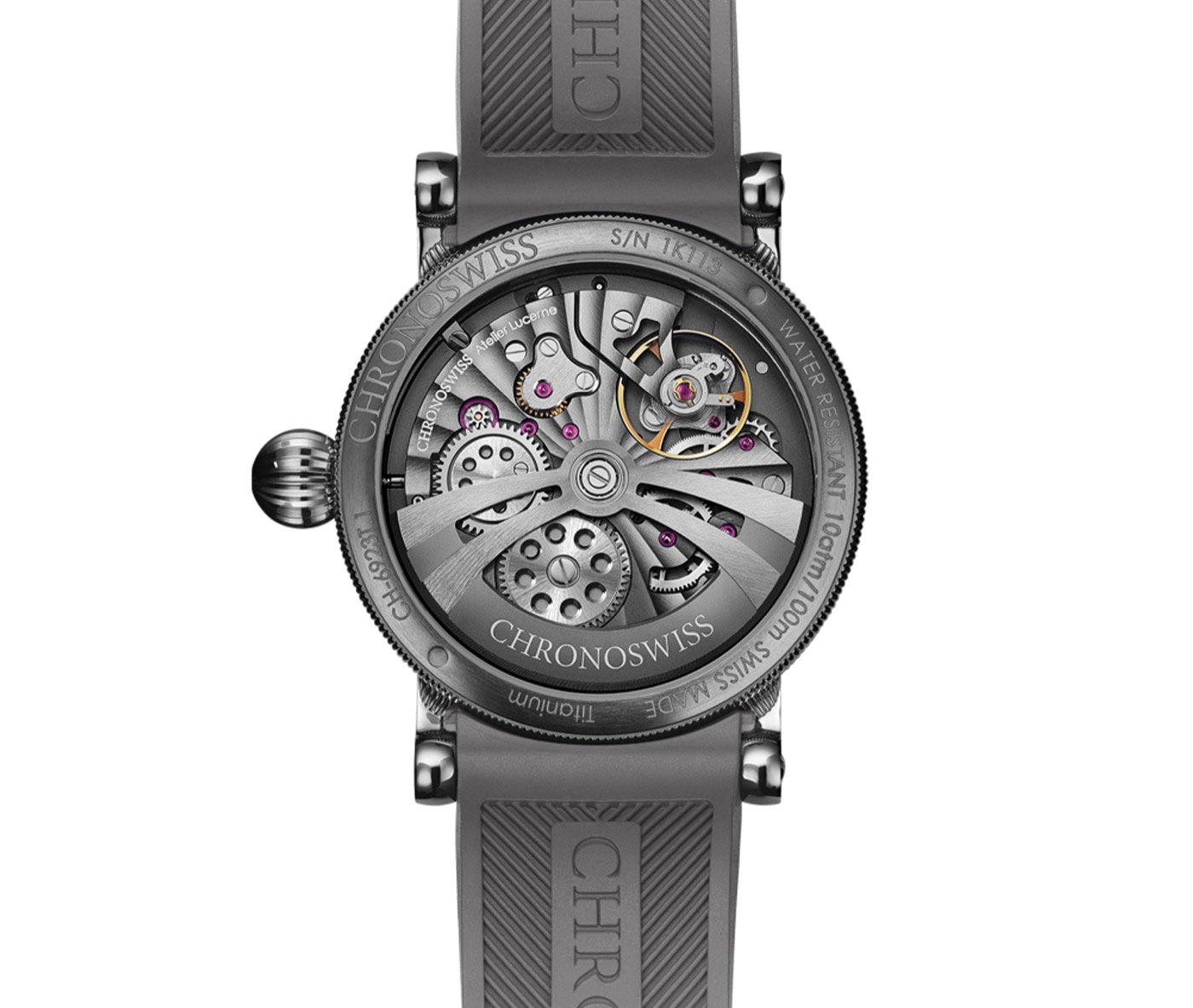
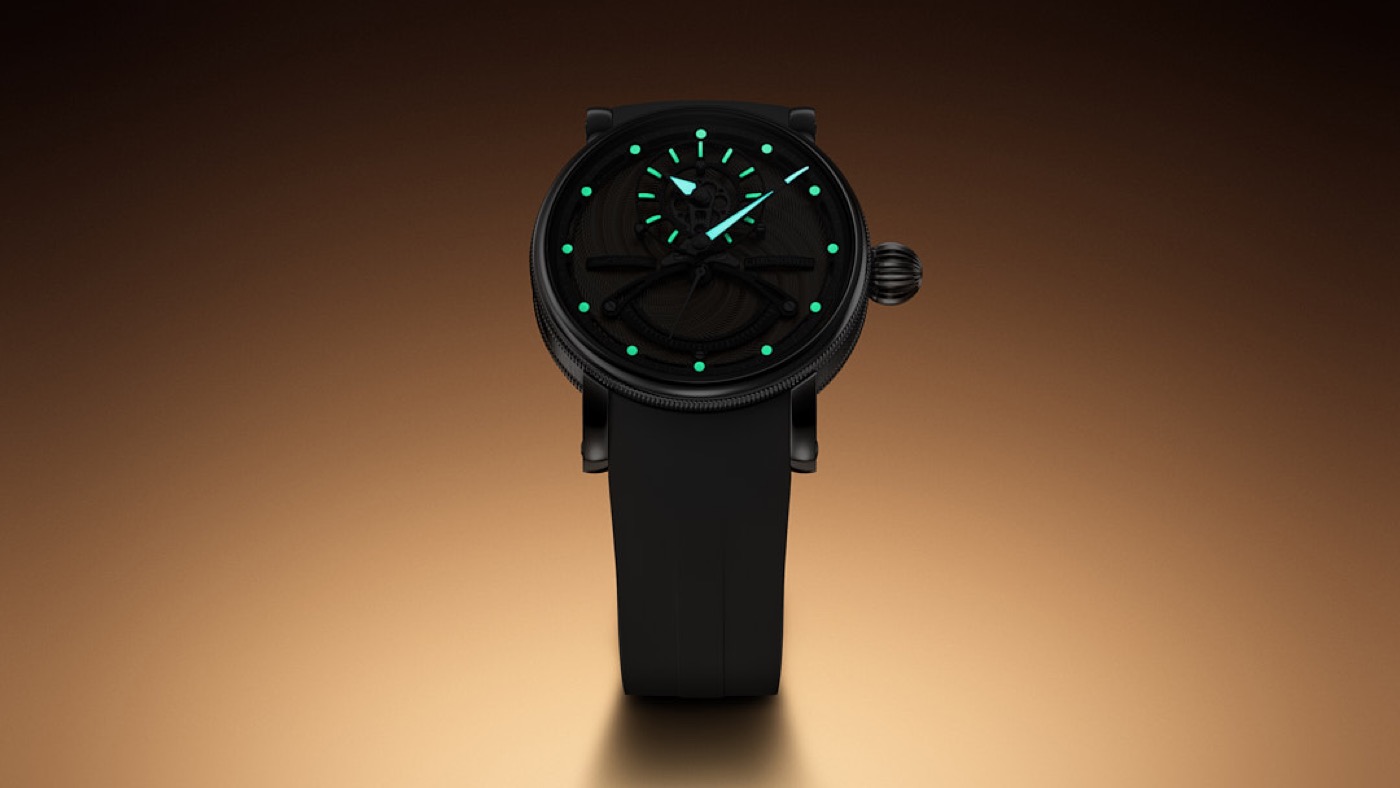
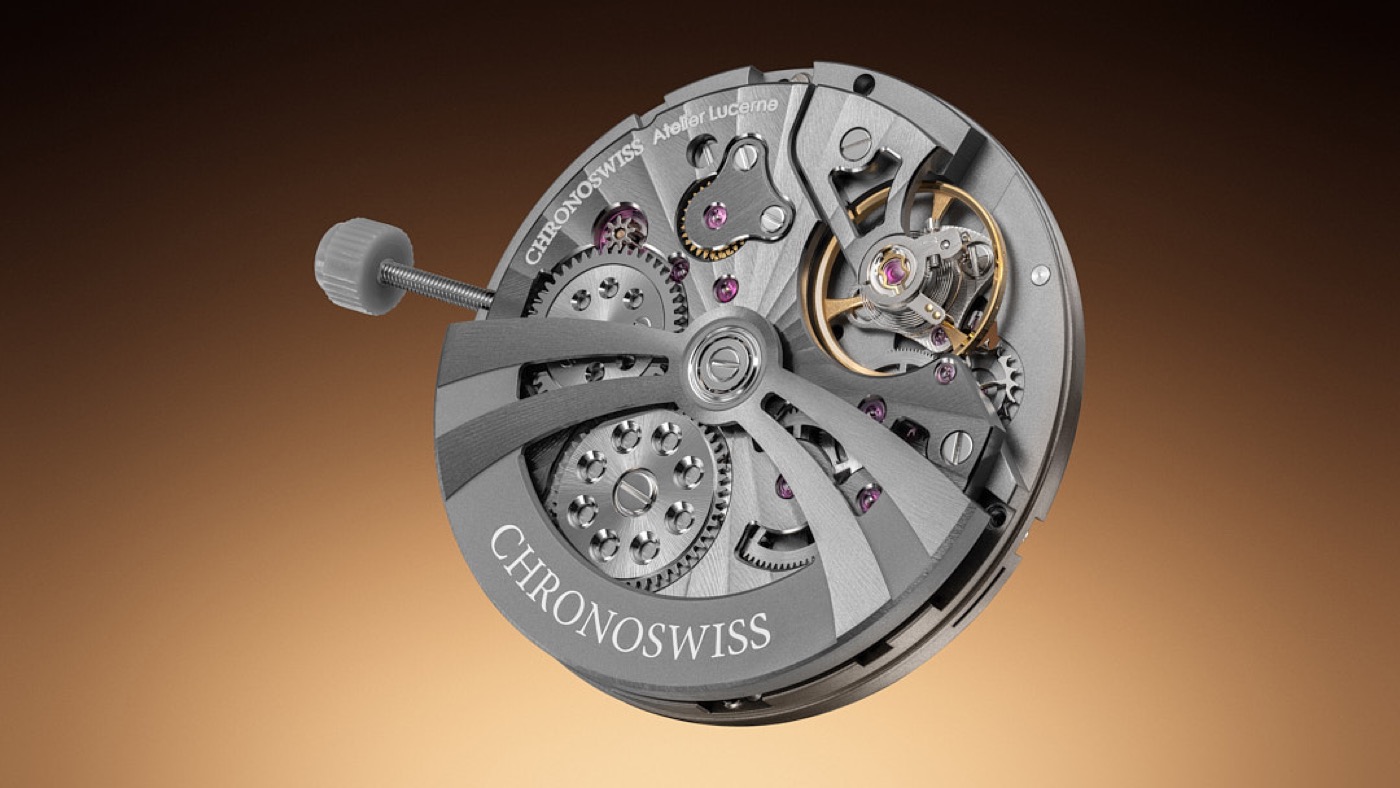
Chronoswiss is closing the ReSec line, begun in 2018. Here the seconds hand does not turn in a circle but runs along an arc and jumps back to the start (retrograde seconds). Calibre C.6005, developed with La Joux-Perret and presented in 2023, has a 55-hour power reserve; the case is 42 mm, grade 5 titanium, water-resistant to 100 m.
100 pieces, CHF 14,400.
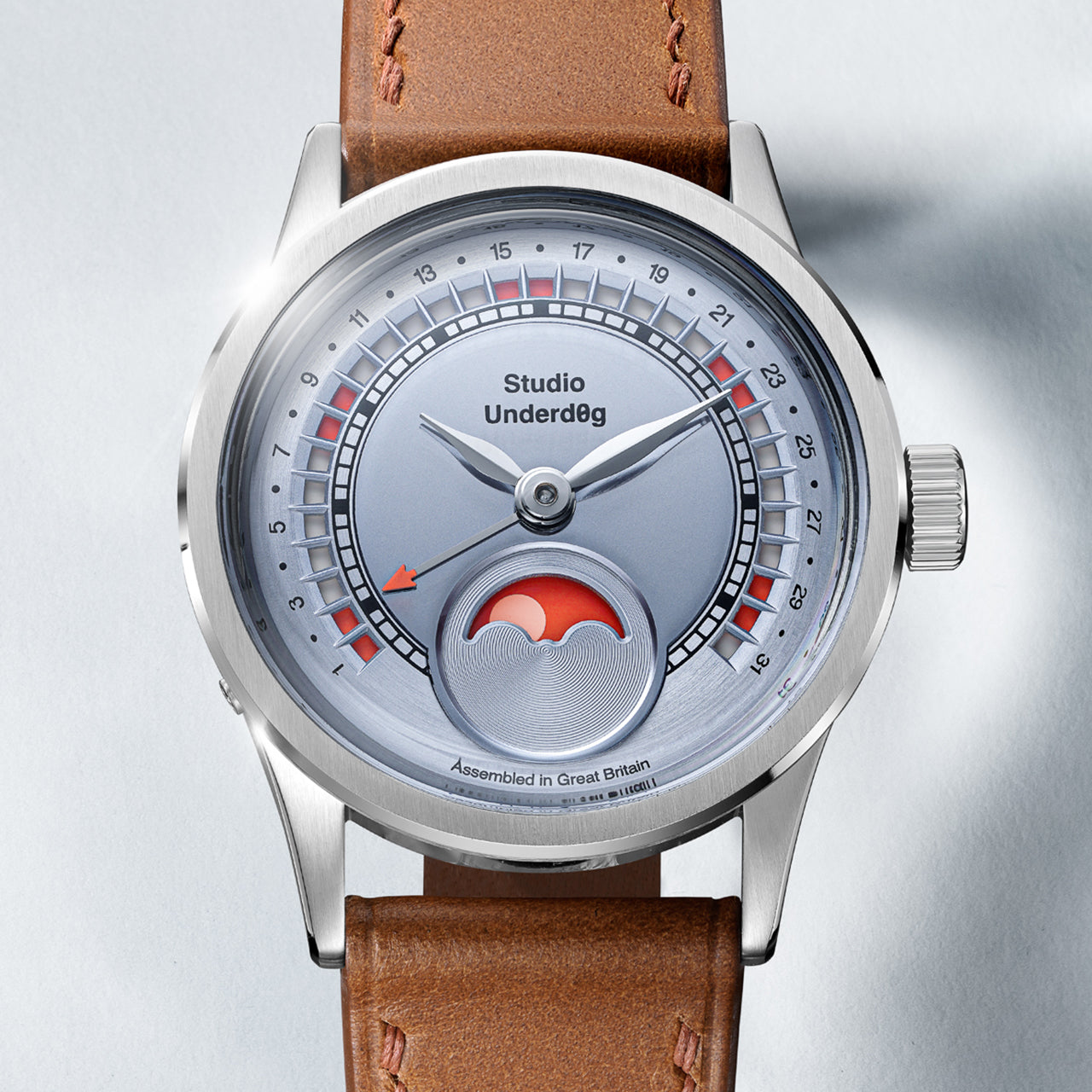
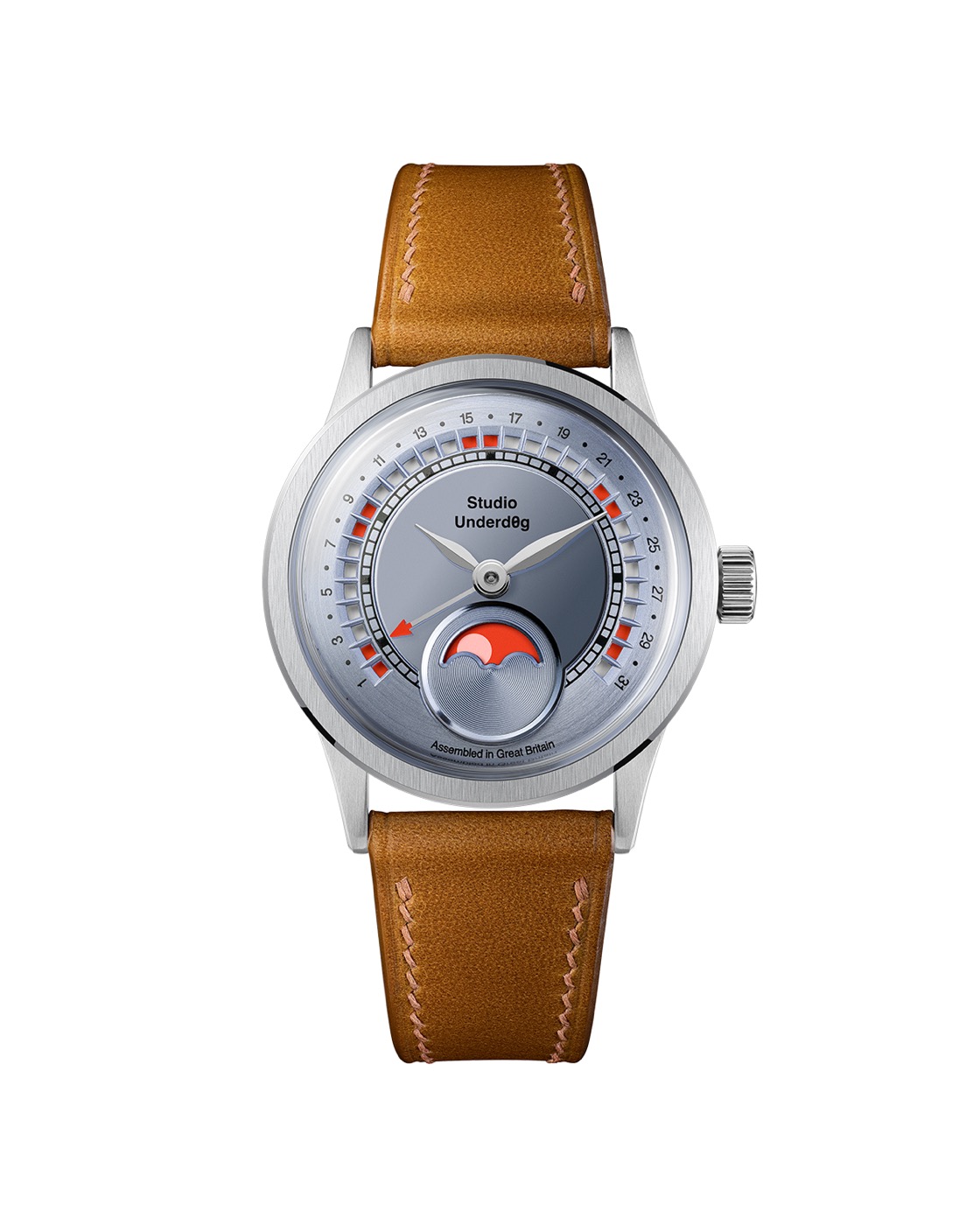
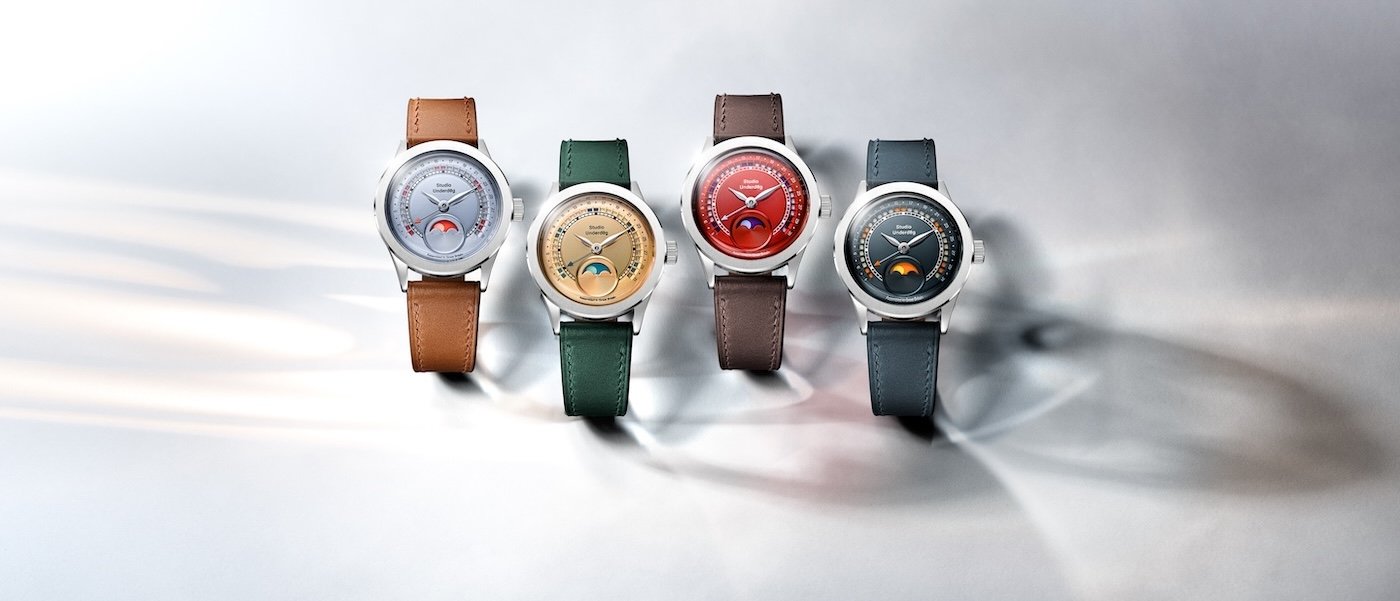
A calendar for 800 euros
Studio Underd0g’s first complication, with a calendar: a weekend indicator, a retrograde date hand and a moon phase. The movement is a Seagull ST-2115B made for the brand; cases of 37 and 38.5 mm, 10.5 mm thick.
800 euros or 800 francs; on sale from 17 November.
© Studio Underd0g; announcement – Europa Star
How the Rêveries des Secondes second moves
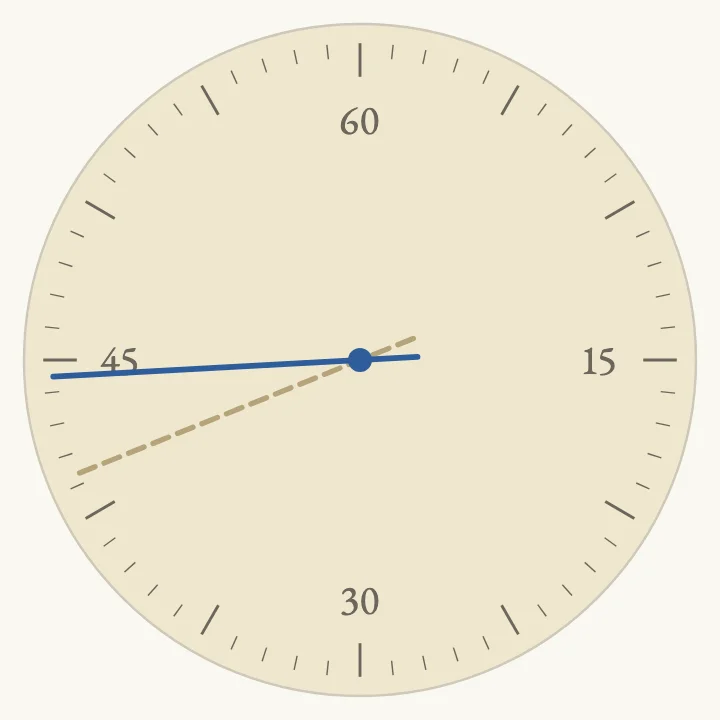
The real cam law of the Étude Nº1 – the hand’s speed every tenth of a second over the whole 5-minute cycle, taken from the maker’s website. We checked: 19 % of the time backwards, 46 changes of direction, speed from −1× to +3×, and at the end of every minute the hand returns to 12. The cycle is synchronised with the clock – as on the maker’s site. Red on the chart – when the hand runs backwards.
In brief
interviewUrban Jürgensen plans to open a workshop in Geneva by next autumn or winter. Kari Voutilainen has stepped down as co-CEO and remains a strategic adviser and board member. Monochrome
11-19–23The GPHG winners are on show in London – the last stop of the tour after Mumbai, Bangkok and Geneva. Schedule
12-17FH publishes the November export figures.
Sources
1. FH – Statistics: “Swiss watchmaking in October 2026” and “World distribution of Swiss watch exports, October 2026” (PDF).
2. GPHG – Foundation, Rules 2026, Jury, Trophy; Prize list 26, Rexhep Rexhepi Chronograph Flyback, 2026 schedule.
3. Sotheby's – The Human Touch: Patek Philippe 1563 “The Doctor”, exhibition dates and venue.
4. Algorithme du Temps – Press (18 November 2026).
5. Antiquorum – F.P. Journe Octa Calendrier, lot 475; auction total.
6. Chronoswiss – ReSec Final Edition.
7. Studio Underd0g press release (Europa Star).